Flexible Travel in 2026: Smart Tourism, Luxury Escapes & the Rise of Lifestyle Exploration

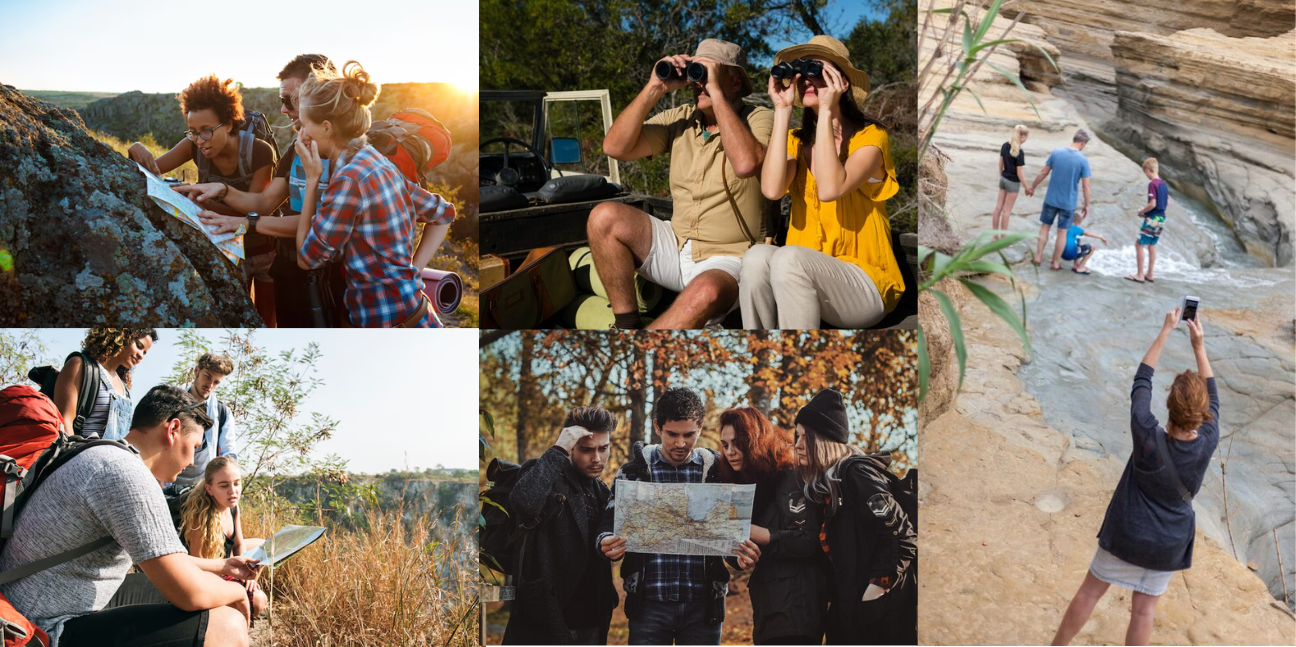
Modern travel has evolved into far more than occasional vacations or short tourist experiences. Today, exploration is increasingly connected to lifestyle design,
Modern travel has evolved into far more than occasional vacations or short tourist experiences. Today, exploration is increasingly connected to lifestyle design, personal freedom, emotional well-being, and cultural immersion. Travelers no longer focus only on visiting famous landmarks or checking destinations off a list. Instead, many now prioritize journeys that feel intentional, restorative, and aligned with their personal goals.
Technology has completely reshaped how people experience the world. Travelers can now discover hidden destinations through social media, organize trips through mobile apps, work remotely from international locations, and build flexible routines that combine productivity with exploration. This accessibility has made travel more achievable for students, professionals, entrepreneurs, families, and solo travelers alike.
At the same time, travel itself has become increasingly personalized. Some people prioritize budget-conscious adventures and local immersion, while others seek luxury travel destinations, wellness retreats, sustainable travel experiences, or digital nomad lifestyles built around long-term flexibility.
In this guide, we will explore the biggest trends shaping modern tourism today, including budget travel tips, solo female travel, cheap flights guide strategies, digital nomad travel, weekend getaways, family vacation ideas, travel packing tips, best travel apps, sustainable tourism, and the growing movement toward intentional exploration.
Budget Travel Tips: Smarter Exploration Without Overspending
One of the biggest misconceptions about travel is that unforgettable experiences always require expensive budgets. In reality, many experienced travelers now understand that flexibility, timing, and strategic planning often matter far more than luxury spending itself. Budget travel tips have therefore become increasingly valuable for students, younger travelers, remote workers, and anyone seeking greater freedom through affordable exploration.
One of the most effective ways to reduce travel expenses is remaining flexible with destinations and travel periods. Travelers who avoid peak tourism seasons, choose lesser-known destinations, or remain open to alternative airports often gain access to dramatically lower prices on flights, accommodation, and transportation.
Another important factor is prioritizing meaningful experiences over status-driven tourism. Many travelers now prefer local cafés, boutique stays, public transportation, and culturally immersive activities over luxury shopping or highly commercialized tourist attractions.
Technology has also made affordable travel significantly easier through booking platforms, fare alerts, accommodation apps, and rewards systems that help travelers optimize spending more effectively than ever before.
Solo Female Travel: Confidence, Independence & Personal Discovery
Solo female travel has become one of the fastest-growing movements within global tourism because more women now seek flexibility, independence, confidence-building, and self-discovery through travel experiences. Social media communities, travel creators, and digital resources have helped normalize solo exploration while improving access to information and safety guidance.
One of the strongest aspects of solo female travel is empowerment through independence. Traveling alone encourages adaptability, resilience, stronger decision-making, and emotional confidence. Many travelers describe solo journeys as transformative experiences that create deeper self-awareness and broader perspectives.
At the same time, safety and preparation remain essential. Modern solo travelers increasingly prioritize destination research, secure accommodations, connected travel communities, and digital communication tools that improve awareness while exploring unfamiliar places.
Another important trend is the rise of women-focused wellness travel, slower cultural experiences, and community-oriented retreats that combine independence with stronger emotional support systems.
Cheap Flights Guide: Smarter Airfare Strategies for Modern Travelers
Airfare remains one of the biggest financial barriers preventing many people from traveling more frequently. However, smarter planning methods and modern booking technology have made it significantly easier to reduce flight costs compared to older travel models.
One of the most effective cheap flights guide strategies is flexibility around dates, airports, and departure schedules. Midweek flights, overnight routes, nearby regional airports, and off-season travel periods often create major pricing differences. Travelers who monitor fares consistently instead of booking impulsively usually gain access to significantly better deals.
Another important factor is digital optimization. Many experienced travelers now use multiple comparison platforms, fare-alert systems, and booking apps simultaneously to identify hidden pricing opportunities and more efficient routes.
Long-term travelers and digital nomads also increasingly prefer one-way tickets and slower regional movement instead of rigid return-trip itineraries. This flexibility often lowers transportation costs while creating more spontaneous and immersive travel experiences.
Digital Nomad Travel: The New Era of Remote Living
Remote work has completely transformed global travel culture by allowing people to combine careers with long-term exploration. Digital nomad travel has become increasingly popular among entrepreneurs, freelancers, remote employees, creatives, and online business owners seeking greater flexibility and location independence.
One of the strongest aspects of digital nomad culture is lifestyle freedom. Instead of waiting for limited vacation windows, remote workers can now build routines around international cities, beach destinations, mountain retreats, coworking spaces, and cultural hubs while continuing to work online.
Another important factor is slower and more intentional travel. Many digital nomads now spend weeks or months in destinations instead of rushing through short tourist itineraries. This creates stronger cultural immersion, healthier routines, and more balanced productivity while traveling.
Digital nomad travel has also influenced tourism industries worldwide. Many countries increasingly offer remote-work visas, coworking ecosystems, and long-stay infrastructure specifically designed around location-independent professionals.
Weekend Getaways & Luxury Travel Destinations
Not every travel experience needs to involve long-term international movement or extended remote lifestyles. Weekend getaways have become increasingly popular because they allow travelers to disconnect from routine environments without requiring major financial commitments or complicated planning.
Short escapes to countryside retreats, mountain lodges, boutique beach resorts, wellness spas, or nearby cities can provide meaningful emotional refreshment while fitting naturally into busy schedules. Many travelers now prioritize multiple shorter trips throughout the year instead of relying only on one annual vacation.
At the same time, luxury travel destinations continue evolving beyond traditional five-star tourism. Modern luxury increasingly focuses on sustainability, privacy, wellness, personalization, and immersive cultural experiences rather than simply extravagant spending.
Eco-luxury resorts, boutique wellness retreats, private island escapes, and nature-focused hospitality have become especially popular among travelers seeking both comfort and deeper emotional connection with destinations.
Family Vacation Ideas & Sustainable Travel
Family travel has evolved significantly as families increasingly prioritize experiences over material spending. Modern family vacation ideas often focus on destinations that combine outdoor activity, entertainment, education, wellness, and flexibility for multiple generations simultaneously.
Nature-focused travel, interactive cultural experiences, wellness-oriented resorts, and slower itineraries have become increasingly popular because families want opportunities to reconnect through meaningful shared experiences.
At the same time, sustainable travel has become one of the most important conversations shaping the future of global tourism. Travelers are becoming increasingly aware of environmental impact, overtourism, and the importance of preserving destinations for future generations.
Sustainable tourism increasingly emphasizes eco-conscious accommodations, support for local communities, reduced waste, slower transportation methods, and more intentional travel habits designed to create healthier long-term environmental and cultural impact.
Conclusion: The Future of Travel Is Flexible, Intentional & Experience-Driven
Modern travel is increasingly defined by flexibility, personalization, emotional well-being, and meaningful experiences rather than rigid tourism models or status-focused vacations. Travelers today prioritize journeys that align with their financial goals, work lifestyles, wellness priorities, and personal values.
From budget travel tips and cheap flight strategies to solo female travel, digital nomad lifestyles, luxury travel destinations, sustainable tourism, and family vacations, modern exploration has become more diverse and accessible than ever before.
Whether someone is planning weekend getaways, building a remote-work lifestyle abroad, or pursuing slower and more intentional exploration, the future of travel increasingly revolves around smarter planning, deeper experiences, and greater personal freedom.
Call to Action
If you are planning your next adventure, focus on flexible travel habits, intentional exploration, and meaningful experiences that support both discovery and long-term lifestyle balance.