From Daily Commutes to Road Trips: Why Comprehensive Dash Cam Coverage Matters

Modern driving involves far more than getting from one destination to another. A typical day behind the wheel may include a busy morning commute, school drop-offs, grocery runs, long highway drives, crowded parking lots, or unexpected stops along unfamiliar roads. During every journey, drivers share the road with countless other vehicles, pedestrians, cyclists, and changing traffic conditions.
Modern driving involves far more than getting from one destination to another. A typical day behind the wheel may include a busy morning commute, school drop-offs, grocery runs, long highway drives, crowded parking lots, or unexpected stops along unfamiliar roads. During every journey, drivers share the road with countless other vehicles, pedestrians, cyclists, and changing traffic conditions.
While careful driving remains essential, even the most responsible driver cannot control everything happening around the vehicle. Unexpected incidents, collisions, disputes, hit-and-runs, and parking damage can occur when least expected. This is one reason dash cameras have become increasingly valuable for modern vehicle owners.
A dash cam can serve as an extra set of eyes on the road, recording important moments that may otherwise be difficult to explain or verify later. However, as driving environments have become more complex, simple front-facing cameras may not always provide the complete picture. Comprehensive dash cam coverage can help document activity in front of the vehicle, behind it, and, with a three-channel system, inside the cabin.
For daily commuters, families, frequent travelers, and long-distance road trip enthusiasts, broader camera coverage can provide practical benefits beyond simple video recording. From documenting scenic drives to preserving footage of unexpected events, a multi-channel dash cam can support greater awareness and peace of mind during everyday travel.
Why Dash Cam Coverage Matters on Modern Roads
Driving conditions can change within seconds. A clear highway can suddenly become congested, another driver may make an unexpected lane change, or a vehicle can approach from behind without warning. When an incident occurs, remembering every detail accurately can be difficult, especially when stress is involved.
Dash cam footage can help create a visual record of what occurred. Instead of relying entirely on memory, drivers may have recorded footage showing the sequence of events.
However, the usefulness of recorded footage often depends on what the camera was able to capture. A single front-facing camera can document the road ahead, but it may not record an incident occurring behind the vehicle or activity inside the cabin. This is where comprehensive coverage becomes increasingly valuable.
A multi-channel dash cam system can provide a broader perspective by recording several areas simultaneously. Depending on the model, this can include:
- The road ahead
- Traffic behind the vehicle
- Activity inside the cabin
- Important driving details during day and night conditions
- Events occurring while the vehicle is parked, when supported by the appropriate setup
Broader coverage does not eliminate the need for safe driving, but it can help drivers maintain a more complete record of their journeys.
Daily Commuting Creates Unexpected Situations
Daily commuting often feels routine. The same roads, intersections, parking areas, and traffic patterns can become familiar over time. However, familiarity does not necessarily mean predictability.
Morning and evening traffic can involve sudden braking, distracted drivers, aggressive lane changes, and crowded intersections. Even a short commute can expose a vehicle to many unpredictable situations.
A dash cam can continuously record the journey without requiring the driver to operate the device manually. This allows the driver to remain focused on the road while the camera works in the background.
For commuters, comprehensive coverage can be particularly useful in situations such as:
Heavy Traffic
Busy roads can make it difficult to see everything happening around the vehicle. A multi-channel camera system can record more than one direction at a time, helping preserve additional context if an incident occurs.
Rear-End Collisions
Rear-facing coverage can be valuable when documenting events involving vehicles approaching from behind. While a front camera records the driver's perspective of the road ahead, a rear camera adds another layer of visibility.
Parking Areas
Parking lots often involve limited space, moving vehicles, pedestrians, and tight maneuvering. Incidents can occur at low speeds and may be difficult to reconstruct later. Parking monitoring features, when properly configured with compatible hardware, can provide additional recording capabilities while the vehicle is unattended.
Stop-and-Go Driving
Congested traffic creates frequent changes in speed and distance between vehicles. Recording the journey can provide a useful visual record of road conditions during unexpected incidents.
Road Trips Create Different Recording Needs
Long-distance travel introduces a different set of driving conditions. Road trips can involve highways, mountain roads, unfamiliar cities, rural routes, changing weather, and nighttime driving.
A dash cam can serve two purposes during these journeys. First, it can provide a record of unexpected events. Second, it can capture memorable moments along the way.
Scenic drives often include views that travelers may want to revisit later. A high-resolution front camera can capture sections of the journey while allowing everyone in the vehicle to remain focused on enjoying the trip.
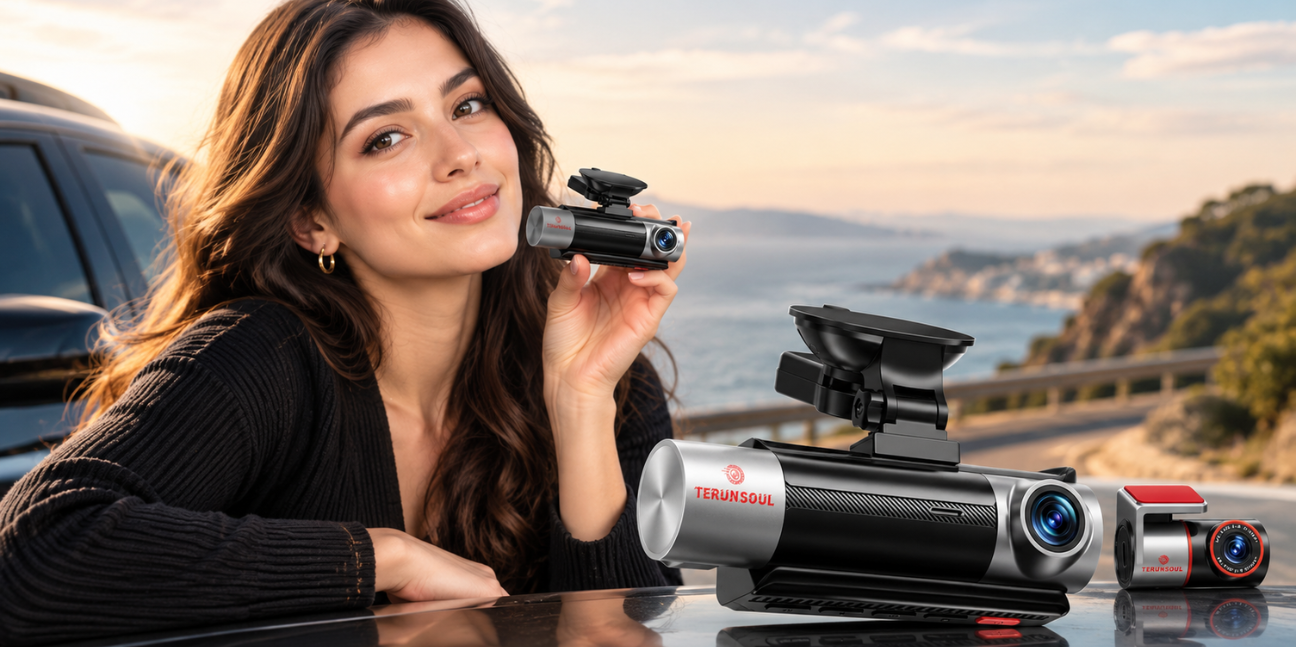
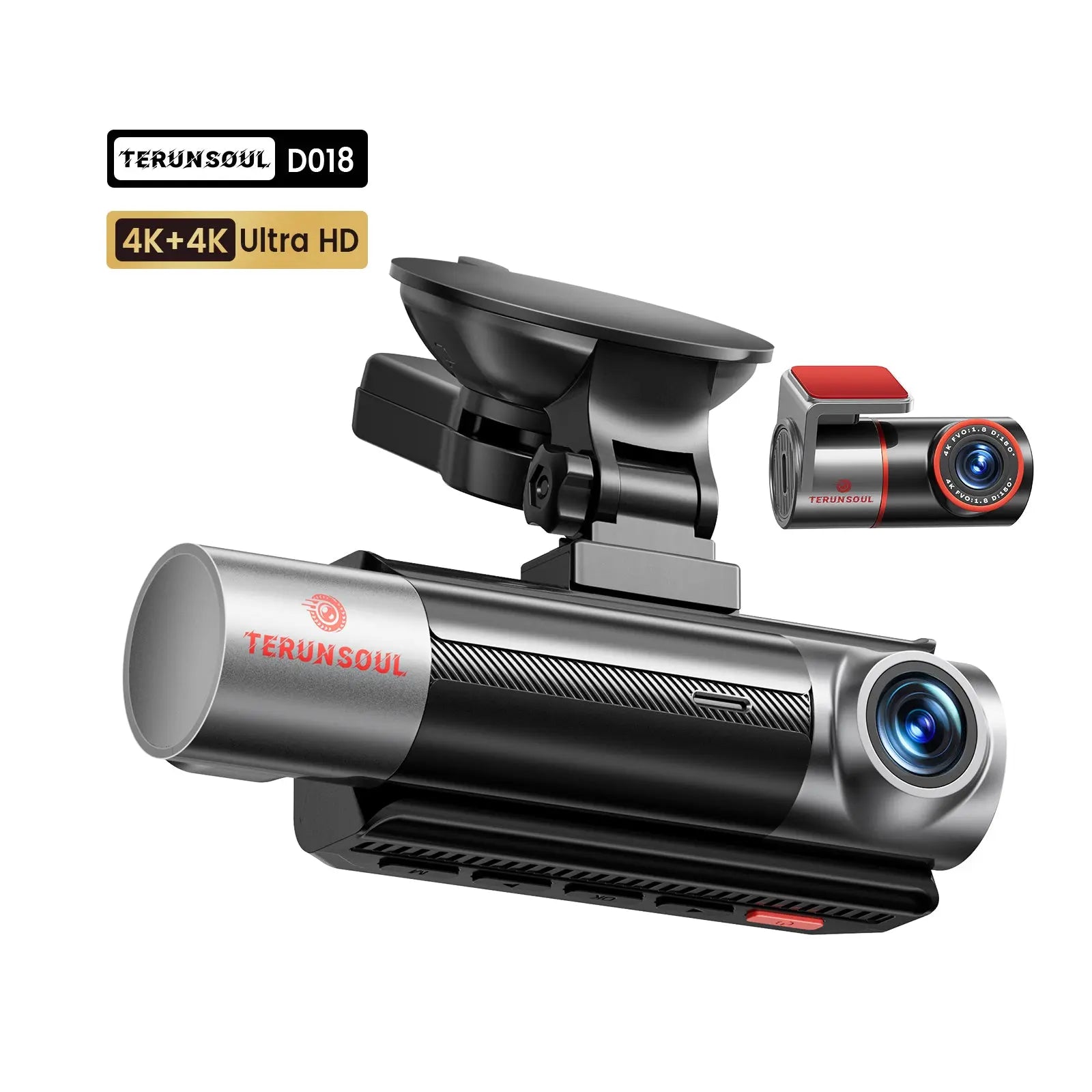
TERUNSOUL offers dash cam options designed around broader recording coverage. The TERUNSOUL D018, for example, features a three-channel setup with 4K front recording, 4K rear recording, and 1080P cabin recording. The model also includes infrared cabin night vision, GPS, Wi-Fi connectivity, collision detection, and support for parking monitoring with compatible hardware.
For travelers who want high-resolution recording of the road ahead while also maintaining rear and cabin coverage, this type of configuration can offer a more complete record of a long journey.
Why Front, Rear, and Cabin Coverage Can Work Together
A three-channel dash cam provides different perspectives that can complement one another.
Front Coverage for the Road Ahead
The front camera is the primary recording channel for many drivers. It can capture:
- Traffic conditions
- Intersections
- Road signs
- Lane activity
- Vehicles ahead
- Scenic routes
- Unexpected incidents
Higher-resolution front recording can help preserve greater visual detail. This can be useful when reviewing footage later, particularly when important information such as road conditions or vehicle details needs to be examined.
Rear Coverage for Additional Context
Traffic does not exist only in front of a vehicle. Rear-facing cameras can record activity occurring behind the car, adding another perspective to the overall journey.
This can be useful during rear-end incidents, highway driving, parking situations, and other events where the activity behind the vehicle may provide important context.
Cabin Coverage for Interior Activity
Cabin cameras record activity inside the vehicle. This can be useful for families, rideshare drivers, professional drivers, and anyone who wants a more complete record of the driving environment.
Interior recording can provide an additional perspective during passenger-related disputes or unexpected events inside the vehicle. For drivers who frequently travel at night, infrared cabin recording may offer additional visibility in darker conditions.
The combination of front, rear, and cabin cameras can create a more complete visual record than a single camera alone.
A Dash Cam Can Be Useful During Family Travel
Family road trips often involve more activity inside the vehicle than a typical commute. Children may be seated in the back, passengers may be moving between stops, and the journey may continue for many hours.
While the primary focus should always remain on safe driving, comprehensive dash cam coverage can provide an additional record of the trip.
Cabin coverage may be useful for families who want to document the interior environment during travel. Meanwhile, front and rear cameras can capture road conditions and surrounding traffic.
Nighttime travel presents additional challenges. Low-light conditions can make it harder for cameras to capture useful footage. Dash cam models with dedicated night vision features can provide greater clarity depending on the lighting environment and camera technology.
The TERUNSOUL D018 includes infrared technology for cabin recording in low-light conditions, while its front and rear cameras provide 4K recording.
For families planning longer drives, this combination can offer broad coverage across different parts of the vehicle.
Rideshare and Professional Drivers May Benefit From Wider Coverage
Drivers who spend many hours on the road face a different level of exposure than occasional drivers. Rideshare operators, delivery drivers, fleet vehicles, and other professionals may encounter a wide range of situations throughout a working day.
More time on the road can mean more interactions with passengers, more traffic, and more opportunities for unexpected events.
A three-channel system can help create a broader record of:
- The road ahead
- Vehicles approaching from behind
- Passenger activity
- Daily driving routes
- Traffic conditions
For professional drivers, cabin coverage may be especially relevant because interactions with passengers occur throughout the day. At the same time, front and rear recording can help provide a broader picture of external traffic activity.
Built-in GPS features can also record route, speed, location, and time information when enabled and used according to applicable privacy and legal requirements. The TERUNSOUL FW983A includes built-in GPS alongside three-channel recording, while offering 4K front recording and 1080P rear and cabin channels.

High-Resolution Recording Can Make a Difference
Video resolution is one of the most important factors to consider when selecting a dash cam. Higher-resolution recording can preserve more visual detail, although actual results depend on factors such as lighting, movement, weather, camera positioning, and lens quality.
During a long road trip, higher-resolution footage can also create a better visual record of memorable scenery. Mountain routes, coastlines, rural highways, and changing landscapes may appear clearer when captured with a capable camera system.
The TERUNSOUL D018 is designed with 4K front and rear recording, while the FW983A combines 4K front recording with 1080P rear and cabin channels. Both models offer three-channel coverage but are suited to different recording priorities.
This highlights an important point for buyers: the best dash cam depends on individual driving needs.
A driver focused heavily on high-resolution road footage from both directions may have different priorities from someone looking for a balanced combination of broad coverage and practical everyday features.
Night Driving Requires Additional Consideration
Night driving can make video recording more challenging. Streetlights may be limited, weather can reduce visibility, and bright headlights can create difficult contrasts in recorded footage.
For this reason, night recording capabilities should be considered when comparing dash cams.
Features that may help support recording in low-light conditions include:
- Large-aperture lenses
- Night vision technology
- HDR processing
- Infrared cabin cameras
- High-quality image sensors
The FW983A uses starlight night vision and HDR technology to support recording in lower-light environments, while the D018 includes infrared cabin recording for interior visibility in darkness.
The right choice depends on where and when the vehicle is driven most frequently.
Parking Protection Extends Coverage Beyond the Journey
Vehicle security concerns do not always end when the engine is turned off. Parking lots, residential streets, garages, and public spaces can present additional risks.
Some dash cams support parking monitoring features that can help record certain events while the vehicle is parked. However, continuous or extended parking monitoring generally requires an appropriate hardwire kit or compatible power solution.
Both the TERUNSOUL D018 and FW983A support parking monitoring when used with the required compatible hardware. Their dedicated parking monitoring setups are designed to provide continued power while incorporating low-voltage protection features.
For drivers who regularly park in busy public areas or leave vehicles unattended for extended periods, this feature can add another layer of recording capability.
GPS and Connectivity Can Make Footage Easier to Manage
Recording footage is only one part of the dash cam experience. Drivers may also need an easy way to review, download, and manage important clips.
Modern dash cams increasingly include wireless connectivity and mobile app support. This can allow drivers to preview and transfer footage without repeatedly removing the memory card.
The TERUNSOUL FW983A includes dual-band Wi-Fi and app connectivity for viewing and downloading footage, while built-in GPS can log route and driving information.
The D018 also supports Wi-Fi connectivity and GPS recording, allowing drivers to access recorded information through compatible app functionality.
These features can make it easier to manage recorded content after a journey.
Choosing the Right Dash Cam for Daily Driving and Road Trips
The ideal dash cam is not necessarily the one with the longest list of features. Instead, it should match the driver's routine and priorities.
Before selecting a model, drivers may want to consider several questions.
How Much Coverage Is Needed?
Drivers who only want to record the road ahead may find a basic system sufficient. Those who want greater visibility may prefer front, rear, and cabin coverage.
How Important Is Rear Video Resolution?
Drivers who prioritize detailed rear recording may prefer a system with higher rear-camera resolution.
Is Cabin Recording Necessary?
Families, rideshare drivers, and professional drivers may benefit more from cabin coverage than drivers who primarily travel alone.
How Often Does Night Driving Occur?
Drivers who frequently travel after dark may want to prioritize night vision, HDR, large-aperture lenses, or infrared interior recording.
Is Parking Monitoring Important?
Those who frequently park in public or busy areas may want to consider a compatible parking monitoring setup.
How Much Storage Is Required?
Long-distance drivers may generate a large amount of footage. Storage capacity and loop recording features can therefore play an important role in the overall experience.
TERUNSOUL's product comparison identifies the D018 as a higher-coverage option with 4K front and rear recording plus an infrared cabin camera, while the FW983A offers a 4K front camera with 1080P rear and cabin recording as a more value-oriented three-channel alternative. Both include GPS, Wi-Fi connectivity, loop recording, collision detection, and included 128GB storage according to the brand's product information.
Preparing for a Road Trip With a Dash Cam
A dash cam can be most useful when it is installed and configured correctly before a journey begins.
Before setting off on a long trip, drivers should consider:
Checking the Camera Position
The camera should have a clear view of the intended recording area without creating an unnecessary obstruction to the driver's vision.
Reviewing Storage Capacity
The memory card should be properly installed and ready for recording. Long trips can create substantial amounts of footage, especially when multiple camera channels are recording simultaneously.
Testing Important Features
Before beginning a major trip, it can be useful to check video recording, GPS settings, Wi-Fi connectivity, and other available features.
Understanding Local Privacy Rules
Dash cam and cabin recording laws can vary by location. Drivers should understand applicable rules regarding recording passengers, audio, and GPS information.
Keeping the Driver Focused on the Road
A dash cam should operate as a background device. Footage can be reviewed after the vehicle has safely stopped rather than distracting the driver during the journey.
Comprehensive Coverage Is About More Than Accidents
Dash cams are often associated with accident footage, but their usefulness can extend beyond major incidents.
A comprehensive camera system can help document:
- Memorable road trips
- Scenic routes
- Unexpected wildlife encounters
- Parking incidents
- Traffic conditions
- Passenger-related situations
- Long-distance journeys
- Everyday commutes
For some drivers, the camera may become a practical safety tool. For others, it may also become a way to preserve moments from the road.
The key benefit of broader coverage is context. A single camera angle can tell part of a story. Multiple synchronized perspectives may provide a more complete picture.
Final Thoughts
From short daily commutes to long road trips, modern driving involves many situations that cannot be predicted in advance. A dash cam cannot prevent accidents or replace careful driving, but it can provide an additional record of what happens on the road.
Comprehensive coverage becomes especially valuable when drivers want visibility beyond the road directly ahead. Front, rear, and cabin cameras can work together to capture a broader view of each journey, helping preserve useful footage across different driving environments.
For those seeking a three-channel setup, TERUNSOUL offers options such as the D018 and FW983A. The D018 emphasizes 4K front and rear recording alongside infrared cabin coverage, while the FW983A combines 4K front recording with 1080P rear and cabin cameras, GPS, HDR-supported night recording, and app connectivity. Both approaches are designed to provide broader recording coverage for everyday driving and longer journeys.
Whether the journey involves commuting through busy city traffic, driving across unfamiliar highways, taking the family on vacation, or spending long hours behind the wheel for work, the right dash cam can provide a more complete record of the road.
The best choice ultimately depends on individual driving needs, recording priorities, and the type of coverage that matters most. For drivers who want a practical combination of front, rear, and interior recording, a comprehensive dash cam system can offer valuable support from the first mile of the morning commute to the final stretch of a long road trip.