From Newborn Days to Toddler Adventures: Choosing a Carrier That Grows With a Child

Parenthood brings constant change, especially during the first few years of a child's life. A tiny newborn who once needed gentle, close support can quickly become an active baby eager to observe the world. Before long, that baby may become a toddler who wants the freedom to walk one minute and asks to be picked up the next.
Parenthood brings constant change, especially during the first few years of a child's life. A tiny newborn who once needed gentle, close support can quickly become an active baby eager to observe the world. Before long, that baby may become a toddler who wants the freedom to walk one minute and asks to be picked up the next.
These changes affect almost every part of daily life, including how parents carry their children. What works during the newborn stage may not feel practical once a child becomes heavier, more mobile, and increasingly independent. This is why choosing a baby carrier that can adapt to different stages of growth can make a meaningful difference in everyday routines.
A versatile carrier can provide a practical way to keep a child close while helping reduce the physical demands of constant carrying. From quiet days at home to shopping trips, family vacations, walks, and busy outings, the right carrier can become a useful part of a family's routine.
Choosing a carrier that grows with a child, however, requires more than simply looking for a product that claims to be suitable for a wide age range. Parents should consider comfort, adjustability, weight guidelines, portability, safety, ease of use, and how the carrier may fit into changing daily routines.
Why Carrying Needs Change as Children Grow
The newborn stage is often centered around closeness and support. Babies are frequently held, fed, soothed, and carried throughout the day. During this stage, parents may prioritize soft materials, a secure fit, and a carrying solution that keeps the baby close.
As babies grow, their needs change. They become more alert, heavier, and more curious about their surroundings. Parents may begin using a carrier during walks, errands, or family activities where holding a growing child in the arms for extended periods becomes tiring.
The toddler stage introduces another set of challenges. Toddlers are known for changing their minds quickly. A child may want to walk independently through a store and then suddenly ask to be picked up. Long outings can become particularly demanding when little legs get tired.
A carrier that can adapt to these changing stages may help parents avoid needing a different carrying solution for every phase. Instead of viewing a carrier as a product designed for only the earliest months, many families look for options that remain useful as their child grows.
The Benefits of Choosing a Carrier With a Broad Weight Range
One of the first factors to consider when choosing a carrier is the manufacturer's recommended weight range. A broad weight range may allow the carrier to remain useful for longer, provided that it is used according to the manufacturer's instructions and safety guidance.
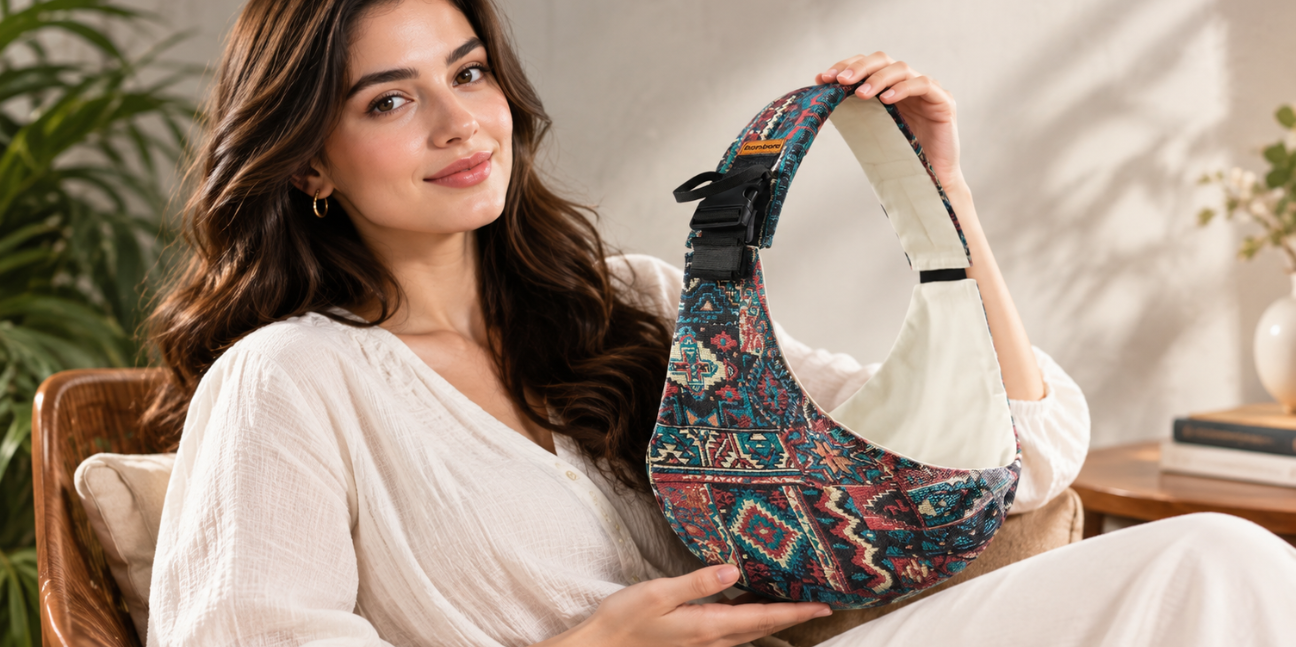
The Bambora Sling Carrier, for example, is designed for children within a stated weight range of 10 to 50 pounds. Its design is intended to accommodate changing carrying needs from smaller children through the toddler stage, making it a practical option for families seeking a longer-term carrying solution.
A broad weight range does not mean that every carrier will feel equally comfortable at every stage. As a child grows, weight distribution and fit become increasingly important. Parents should always check that the carrier remains appropriate for the child's size and development and follow the manufacturer's guidance for safe use.
The main advantage of choosing a versatile option is convenience. Rather than purchasing multiple products as a child grows, families may find that one adaptable carrier can support several different stages of early childhood.
Comfort Becomes Even More Important Over Time
Carrying a newborn and carrying a 30- or 40-pound toddler are very different experiences. As a child becomes heavier, the physical demands of carrying naturally increase.
Parents who regularly carry their children may experience tired arms, sore shoulders, or discomfort after repeatedly holding a child on one side. This is especially common during outings, travel, or long periods spent standing.
A well-designed carrier can help distribute some of a child's weight more effectively than simply carrying them in the arms. Features such as padded shoulder support, adjustable straps, and a supportive carrying position may help make the experience more manageable.
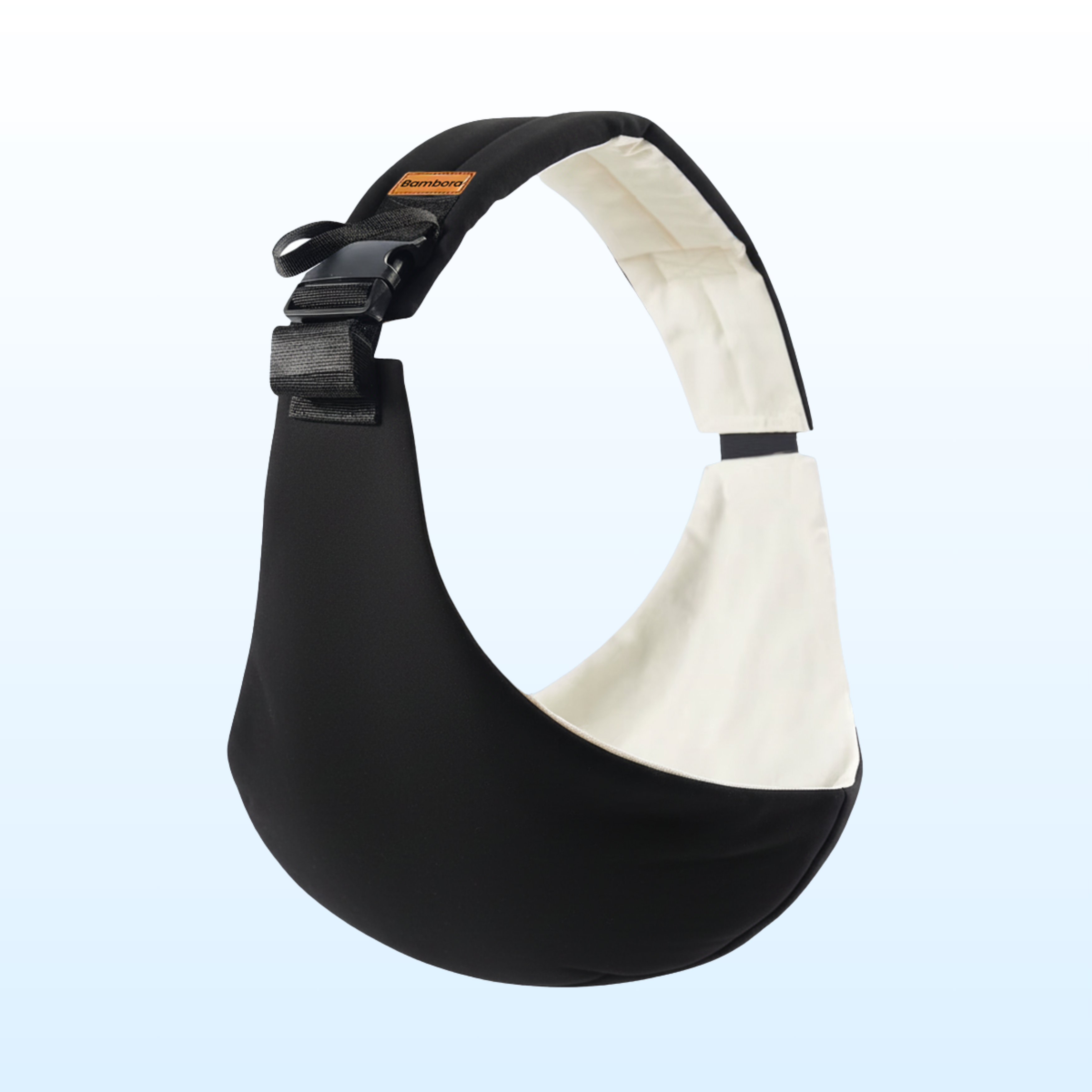
The Bambora Sling Carrier is designed with padded shoulder support and adjustable features intended to help distribute weight during everyday carrying. The brand also describes the carrier as compact enough for regular outings and designed for use with children throughout different stages of growth.
Comfort can vary from person to person. Body shape, the child's weight, the length of time spent carrying, and the way the carrier is adjusted can all affect the experience. For this reason, adjustability is one of the most important features to consider.
Adjustability Matters for Growing Families
A growing child is only one reason a carrier needs to adapt. Different caregivers may also use the same carrier.
Parents, grandparents, and other caregivers can have different body types and comfort preferences. A carrier with adjustable straps can make it easier to customize the fit rather than relying on a one-size-fits-all approach.
Adjustability can also become useful as a child changes in size. A position that feels comfortable when carrying a smaller baby may require adjustment when carrying a heavier toddler.
The Bambora Sling Carrier includes adjustable straps and a secure buckle system designed to provide a customizable fit. According to the product information, the carrier is intended to fit different body types while adapting to a child's growth within the stated weight guidelines.
Before purchasing any baby carrier, it is important to review the manufacturer's fitting and safety instructions. A proper fit plays an essential role in both comfort and safe use.
From Newborn Snuggles to Busy Toddler Days
One of the biggest advantages of a versatile carrier is the ability to use it during many different parts of family life.
During the early months, carrying may happen primarily at home. A baby may want to stay close while a caregiver moves from room to room or completes simple daily activities. As the child gets older, carrying may become more common outside the home.
Consider a typical family outing with a toddler. A stroller may be useful, but it is not always the most convenient choice for every situation. Busy sidewalks, crowded events, stairs, short errands, and travel can all create situations where a compact carrying option may be easier to manage.
A lightweight sling-style carrier can be particularly useful for children who want to alternate between walking and being carried. Instead of setting up a large piece of baby equipment every time a toddler becomes tired, a compact carrier may offer a simpler way to provide carrying support when needed.
The Bambora Sling Carrier is marketed for a variety of everyday situations, including errands, walks, family travel, and crowded events. Its compact design is intended to allow the carrier to fold into a diaper bag, making it easier to bring along when families are unsure whether their child will want to walk or be carried.
Choosing a Carrier for the Toddler “Pick Me Up” Phase
Many parents are familiar with the stage when toddlers want to explore independently but still frequently ask to be picked up. This can create a cycle of lifting, carrying, putting the child down, and lifting them again.
This stage can be physically demanding because toddlers are much heavier than newborns. At the same time, many toddlers do not need to be carried continuously. They may only want to be carried for a few minutes before becoming interested in walking again.
A carrier that is easy to put on and adjust can be especially useful during this stage. Complicated wrapping systems or multiple straps may feel inconvenient when a child constantly wants to move between walking and being carried.
For this reason, many families look for simple carrying solutions that can be used during everyday transitions. A compact sling may provide an option for supporting a child during short periods of carrying without requiring bulky equipment.
The Bambora Sling Carrier is designed as an everyday carrying solution for situations when a child wants to stay close but the caregiver still needs mobility. The product's adjustable design and compact format are intended to make it suitable for quick errands and daily routines.
Portability Can Make a Major Difference
Parents often have enough to carry already. Diaper bags, snacks, water bottles, toys, extra clothing, and travel essentials can quickly add up.
A large carrier or stroller can be useful for certain situations, but portability becomes important when families are trying to travel light. This is particularly relevant during vacations, airport visits, day trips, and quick errands.
A carrier that folds into a compact size can be easier to keep in a car or diaper bag. It can remain available when needed without taking up significant space.
The Bambora Sling Carrier is designed to fold into a compact format for storage and travel. The brand presents it as an option for families looking for a carrying solution that can be brought along during everyday outings without the bulk associated with some larger baby gear.
For families who regularly travel with children, portability can be just as important as comfort. The easier a product is to pack and carry, the more likely it may be to become part of a regular routine.
Safety Should Always Come First
Comfort and convenience are important, but safety should always remain the highest priority when choosing and using a baby or toddler carrier.
Parents and caregivers should carefully review the manufacturer's age, weight, positioning, and usage instructions. A carrier should only be used according to its intended purpose and stated guidelines.
It is also important to inspect the carrier regularly for signs of wear or damage. Buckles, straps, stitching, and fabric should be checked before use.
The Bambora Sling Carrier states that its product is inspected and tested according to applicable sling-carrier safety standards, including ASTM F2907 testing through an independent CPSC-accepted laboratory. Parents should nevertheless follow all current manufacturer instructions and supervise the child appropriately during use.
No carrier should be treated as a substitute for active supervision. Caregivers should remain attentive to the child's position and comfort at all times.
How to Choose the Right Carrier for Everyday Life
The best baby or toddler carrier depends on a family's specific routine. Before making a purchase, it can be helpful to consider several practical questions.
How Often Will the Carrier Be Used?
A family that plans to use a carrier every day may prioritize comfort and support. Someone who mainly needs a carrier for occasional outings may place greater importance on portability and quick setup.
How Long Will the Carrier Need to Be Useful?
Families looking for a longer-term solution should review the recommended weight range and determine whether the product may remain suitable as the child grows.
Will Multiple Caregivers Use It?
Adjustable features can be particularly important when parents and other caregivers plan to share the same carrier.
Where Will It Be Used?
Travel, shopping, walks, family events, and home routines can all require different levels of convenience. A lightweight carrier may work particularly well for families who frequently move between locations.
Is It Easy to Store?
A compact carrier may be easier to keep in a diaper bag or vehicle, making it more practical for spontaneous situations.
Why Simplicity Can Be Valuable for Busy Parents
Parenting products do not always need to be complicated to be useful. In fact, a product that is easy to understand and quick to use may be more likely to become part of an everyday routine.
Some carriers involve several buckles, clips, adjustments, and carrying configurations. These designs may work well for certain families, but others prefer a simpler solution for quick transitions.
A straightforward sling-style carrier can offer a practical alternative when a child needs to be carried for part of an outing. The Bambora Sling Carrier is designed with adjustable straps and a buckle system intended to simplify setup while providing a customizable fit.
Ease of use can be particularly valuable during the unpredictable toddler years. A child may suddenly become tired during a walk, want to be carried through a crowded store, or need extra comfort in an unfamiliar environment. Having a compact carrier available can help caregivers respond more easily to those moments.
Making the Most of a Carrier as a Child Grows
A carrier can remain useful for longer when families adapt their expectations to different stages of childhood.
During the newborn stage, the focus may be on closeness and support. As the baby becomes more alert, a carrier may become useful during outings and walks. During the toddler stage, it may become a practical backup option for tired legs and busy environments.
The key is choosing a product that suits the family's actual lifestyle. A family that spends weekends exploring cities may prioritize portability. A family that frequently travels may need something easy to pack. Parents managing busy daily schedules may value quick adjustments and convenient storage.
The Bambora Sling Carrier is designed around this idea of everyday versatility, with a stated 10- to 50-pound weight range, adjustable fit, padded support, and compact construction. These features may appeal to families seeking a carrier that can remain useful through more than one stage of a child's early development.
Final Thoughts: Choosing a Carrier That Can Adapt With Family Life
Children change quickly, and the products used during early parenthood often need to change with them. A tiny newborn eventually becomes a curious baby, an active toddler, and a child who wants independence while still seeking the comfort of being close.
Choosing a carrier that can adapt to these transitions can help families simplify their everyday routines. Factors such as weight range, comfort, adjustability, portability, ease of use, and safety should all be considered before making a decision.
A versatile carrier may be useful during quiet moments at home, busy shopping trips, family vacations, long walks, and those unpredictable toddler moments when a child suddenly decides that walking is no longer an option.
For families looking for a compact and adjustable carrying option, the Bambora Sling Carrier offers features designed to support everyday carrying across multiple stages, within its stated usage guidelines. Its padded shoulder support, adjustable design, compact storage, and broad stated weight range make it an option worth considering for families seeking greater flexibility as their child grows.
Ultimately, the right carrier is one that fits the family's lifestyle, supports safe and comfortable use, and remains practical as daily routines continue to change. From newborn days to toddler adventures, an adaptable carrying solution can help make the journey a little easier while keeping those important moments of closeness part of everyday life.