How Electric Two-Wheelers Are Changing Urban Commuting and Off-Road Recreation

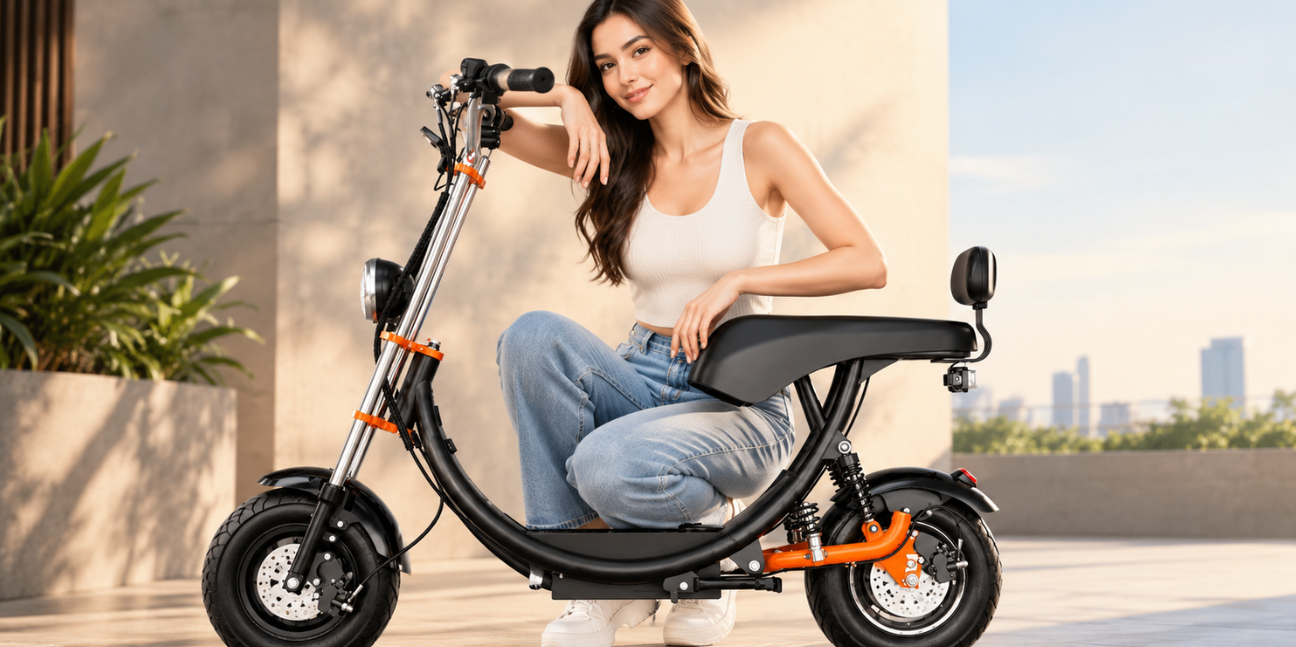
Electric mobility has rapidly moved beyond the idea of simply replacing cars with battery-powered alternatives. Today, electric two-wheelers are creating new possibilities for urban commuting, weekend recreation, and off-road adventure. From compact electric motorcycles designed for city travel to powerful electric dirt bikes built for challenging terrain, riders now have more options than ever before.
Electric mobility has rapidly moved beyond the idea of simply replacing cars with battery-powered alternatives. Today, electric two-wheelers are creating new possibilities for urban commuting, weekend recreation, and off-road adventure. From compact electric motorcycles designed for city travel to powerful electric dirt bikes built for challenging terrain, riders now have more options than ever before.
The growing interest in electric two-wheelers is being driven by several factors. Riders are looking for practical ways to travel through increasingly congested cities, reduce dependence on fuel, and enjoy more flexible transportation. At the same time, outdoor enthusiasts are discovering the benefits of electric power for recreational riding. Instant torque, quieter operation, and simplified power delivery are changing how people experience trails, open land, and off-road environments.
Modern electric two-wheelers are no longer limited to a single type of rider. Some are designed primarily for everyday transportation, while others focus on off-road performance and recreational excitement. There are also models that blur the line between practical mobility and adventure. This variety is helping electric riding appeal to commuters, beginners, experienced riders, and outdoor enthusiasts alike.
Brands such as KuKirin Global are contributing to this evolving market by offering electric riding options designed for different needs and environments. Whether the goal is navigating urban roads, enjoying weekend rides, or exploring off-road terrain, choosing the right type of electric two-wheeler can make the experience more practical and enjoyable.
The Rise of Electric Two-Wheelers
Electric two-wheelers have gained attention as cities and transportation systems continue to evolve. Traffic congestion, rising transportation costs, and growing interest in alternative mobility have encouraged many people to consider smaller and more efficient forms of travel.
Traditional cars remain useful for many journeys, but they are not always the most convenient option for short daily trips. Finding parking, sitting in traffic, and paying for fuel can make urban transportation time-consuming and expensive. Electric two-wheelers offer a different approach by providing a more compact and flexible way to move through urban environments.
At the same time, the appeal of electric power extends beyond commuting. Recreational riders are increasingly interested in electric dirt bikes and electric motorcycles that provide quick acceleration and responsive performance without the complexity of traditional combustion engines.
This combination of practicality and enjoyment is one of the reasons electric two-wheelers are becoming increasingly popular. A rider may choose an electric model for daily transportation, while another may see electric power as a new way to experience outdoor adventure. The technology can support both lifestyles.
How Electric Two-Wheelers Are Changing Urban Commuting
Urban commuting is one of the areas where electric two-wheelers can make a significant difference. Large cities often face crowded roads, limited parking, and long travel times. A compact electric vehicle can offer greater flexibility for certain types of daily journeys.
A More Flexible Way to Travel
Electric two-wheelers can be especially useful for shorter commutes and everyday errands. Their compact size makes them easier to maneuver and park than larger vehicles in many situations.
For commuters who regularly travel through busy urban areas, convenience can be just as important as speed. The ability to move efficiently through city environments and reduce the difficulties associated with parking can make a two-wheeled electric vehicle an attractive option.
Electric models can also simplify the riding experience. Many riders appreciate the smooth and direct power delivery of an electric motor. Instead of relying on the same mechanical systems associated with traditional internal-combustion motorcycles, electric vehicles can provide a more streamlined riding experience.
Lower Dependence on Fuel
One of the most obvious advantages of electric transportation is reduced dependence on gasoline. Riders can recharge an electric vehicle rather than regularly visiting a fuel station.
The exact operating costs depend on local electricity prices, battery capacity, charging habits, and the specific vehicle. However, for many riders, electric mobility offers an opportunity to rethink the long-term cost of transportation.
As charging infrastructure continues to develop in different regions, electric vehicles may become even more practical for a wider range of riders. Home charging can also provide convenience for people who have access to appropriate charging facilities.
A Quieter Urban Riding Experience
Noise is an important consideration in crowded cities. Electric motors generally operate more quietly than traditional combustion engines, creating a different experience for both riders and people nearby.
Quieter operation does not mean that safety should be overlooked. Riders must remain aware of pedestrians, traffic, cyclists, and local road conditions. However, the reduced mechanical noise associated with electric power can make the overall riding experience feel more refined.
For some commuters, this quieter character is one of the most appealing aspects of electric transportation.
Electric Power Is Also Transforming Recreational Riding
While urban commuting focuses on practicality, recreational riding is driven by freedom, performance, and enjoyment. Electric dirt bikes and other performance-oriented electric two-wheelers are opening new opportunities for people who want to explore trails and off-road environments.
Electric motors can deliver power quickly, which can create responsive acceleration and strong performance. This characteristic is particularly appealing in off-road riding, where terrain conditions can change rapidly.
Instant Torque and Responsive Performance
Electric motors are known for delivering torque in a direct and immediate way. For recreational riders, this can create an exciting and responsive experience.
Off-road terrain can include dirt, loose surfaces, hills, and uneven ground. A capable electric dirt bike needs to combine power with handling, suspension, braking, and overall stability. The motor is only one part of the complete riding experience.
Different riders also have different expectations. A beginner may prioritize manageable power and predictable handling, while an experienced rider may focus more heavily on performance and terrain capability.
The growing range of electric two-wheelers makes it easier for riders to find options suited to their individual riding style.
A Different Connection With the Outdoors
Quieter operation can also change the character of recreational riding. Traditional off-road motorcycles can produce significant engine noise, while electric models offer a different type of experience.
The quieter nature of electric power may allow riders to feel more connected to their surroundings. Sounds from the trail and natural environment are less likely to be overwhelmed by constant engine noise.
Of course, riders should always follow local rules and ride only in areas where off-road vehicles are permitted. Responsible riding is essential for protecting both riders and outdoor environments.
Different Electric Rides for Different Lifestyles
One of the most interesting developments in the electric mobility market is the variety of available vehicle styles. Not every rider needs the same level of power, range, or off-road capability.
A commuter who travels through city streets may have very different requirements from someone who spends weekends riding on private land or approved trails.
Urban-Focused Electric Riding
An urban rider may prioritize practical features such as comfortable handling, reliable braking, battery range suitable for daily travel, and a design that works well in city environments.
For this type of rider, an electric mini-motorcycle or commuter-oriented electric two-wheeler can provide a balance between functionality and style.
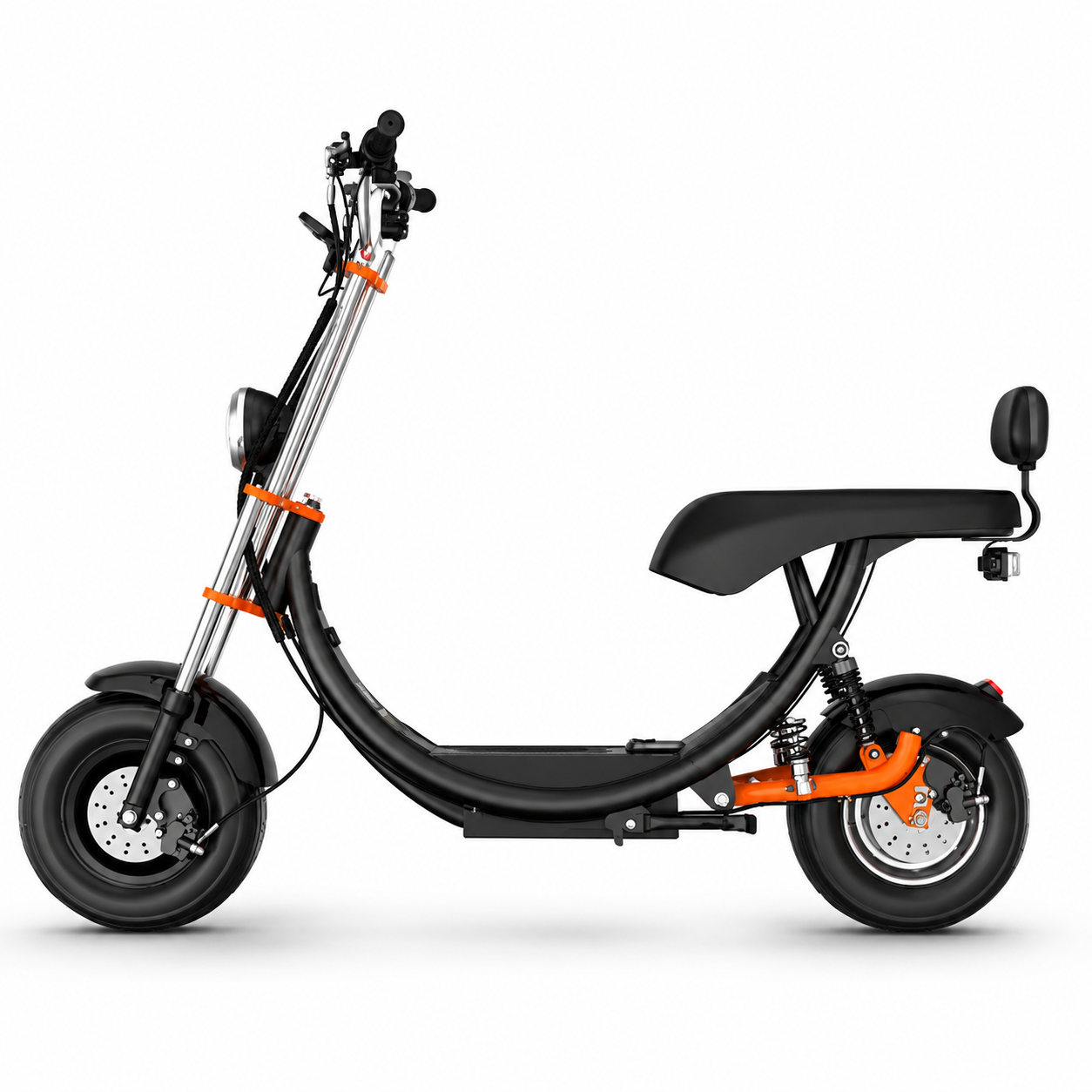
The KuKirin C2 Pro represents the type of electric ride that can appeal to riders looking for a practical and enjoyable way to experience modern electric mobility. Models in this category can be particularly interesting for people who want an alternative to traditional short-distance transportation while still enjoying the freedom of two wheels.
Before riding on public roads, owners should always check local laws, registration requirements, licensing rules, speed restrictions, and vehicle classifications. Regulations can vary significantly between locations.
Recreational and Off-Road Riding
For riders seeking a more adventurous experience, electric dirt bikes offer a completely different focus. These vehicles are designed around the demands of recreational and off-road riding.
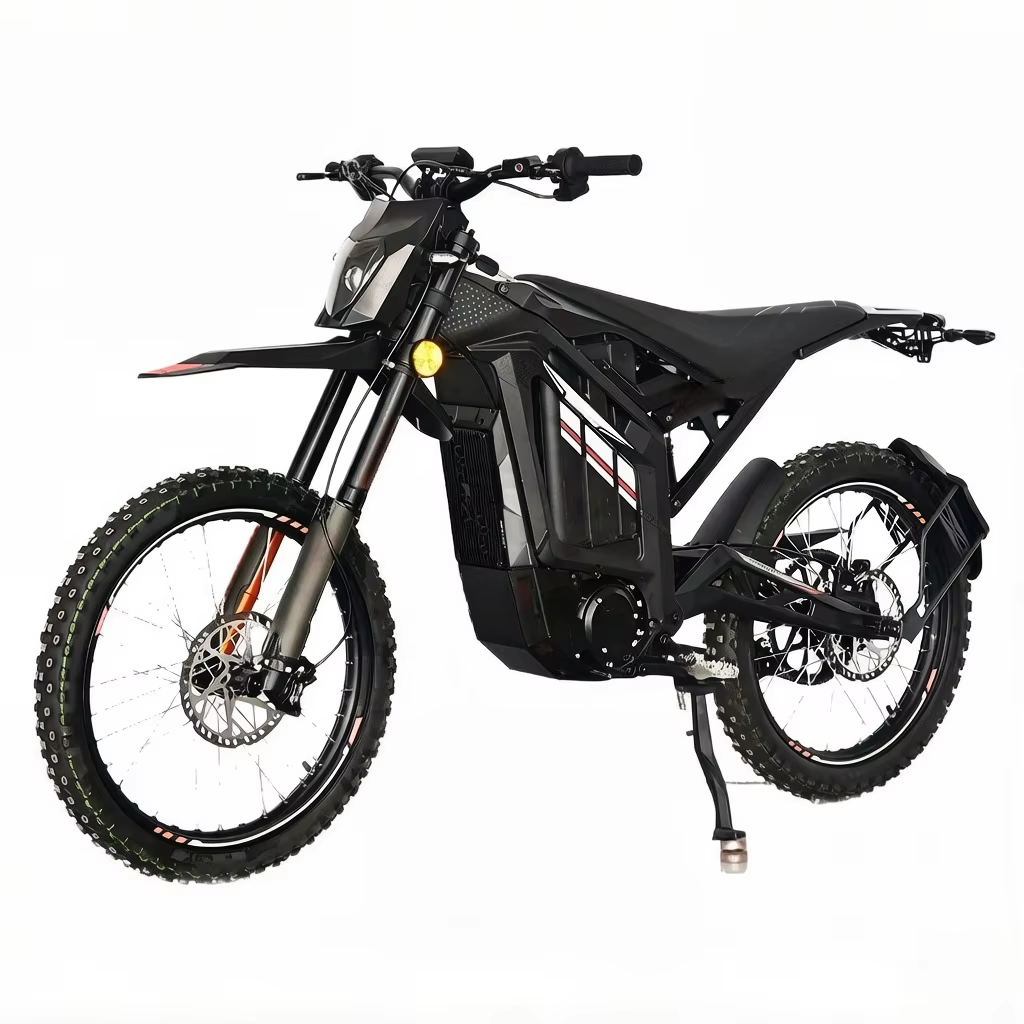
The KUGOO SS-8 Electric Dirt Bike can fit into discussions about modern electric off-road riding and the growing demand for powerful electric machines designed for outdoor adventures.
An off-road electric bike can appeal to riders who value acceleration, responsive power delivery, and the excitement of exploring suitable riding areas. The right model should be selected according to experience level, terrain, and intended use.
A New Generation of Electric Adventure Machines
The KuKirin X1 reflects the continuing expansion of electric riding options for people interested in adventure-oriented performance.
As the market grows, riders can choose from machines with different designs and capabilities rather than treating all electric two-wheelers as the same type of vehicle.
This is an important shift. Electric mobility is no longer simply about choosing between an electric bicycle and an electric scooter. Riders can now explore a broader category that includes urban-focused machines, mini-motorcycles, and performance-oriented off-road models.

Why Versatility Matters in Modern Electric Mobility
The best electric two-wheeler is not necessarily the most powerful or the most expensive. It is the one that matches the rider's intended use.
A commuter may need predictable range and comfortable handling. A recreational rider may prioritize power, suspension, and terrain capability. Another rider may want a balance between practical transportation and weekend adventure.
Understanding these differences before making a purchase can help riders make a more informed decision.
Matching the Vehicle to the Terrain
Terrain is one of the most important factors when choosing an electric two-wheeler.
Smooth city roads place different demands on a vehicle than dirt paths or uneven trails. Riders should consider tire design, suspension, ground clearance, braking systems, and overall vehicle construction.
Using a vehicle outside its intended environment can reduce performance and potentially create safety concerns. For example, a city-oriented model may not be suitable for demanding off-road terrain, while a powerful dirt bike may not be the most practical choice for daily urban commuting.
The goal should be to choose a vehicle designed for the places where it will actually be ridden.
Considering Range and Charging Needs
Battery range is another essential consideration. A rider's daily travel distance, riding style, terrain, speed, weather conditions, and vehicle load can all influence real-world range.
Before choosing an electric two-wheeler, it is helpful to think about typical journeys rather than focusing only on the maximum advertised range.
A commuter should estimate daily mileage and consider whether regular charging is convenient. A recreational rider should think about how long typical riding sessions last and whether charging opportunities are available.
Planning ahead can prevent unnecessary range anxiety and make the overall ownership experience more enjoyable.
The Role of Technology in Better Electric Riding
Advances in battery technology, motor systems, and vehicle design are helping electric two-wheelers become more capable.
Modern riders expect more than simple transportation. They want machines that feel responsive, reliable, and suitable for their lifestyle. Manufacturers are responding with designs that focus on different performance priorities.
Battery technology continues to play a central role in this development. Improvements in energy storage and battery management can support longer riding sessions and more consistent performance.
Motor technology is also evolving. The goal is not only to increase speed but also to improve efficiency and power delivery.
These developments are helping electric vehicles become practical for a wider range of uses.
Safety Should Remain a Priority
The excitement of electric riding should always be balanced with responsible safety practices. Electric two-wheelers can accelerate quickly and may require skills that beginners have not yet developed.
Riders should use appropriate protective equipment based on the vehicle and riding environment. A properly fitted helmet is essential, while additional protective gear may be particularly important for off-road riding.
Learning how the vehicle responds to acceleration, braking, and turns is also important. New riders should take time to become comfortable with the controls before attempting demanding terrain or high-speed riding.
Local regulations should always be reviewed before using an electric vehicle on public roads or trails. Requirements can differ depending on the country, state, region, and specific type of vehicle.
Responsible riding helps ensure that electric mobility remains enjoyable for everyone.
How Electric Two-Wheelers Support Changing Lifestyles
Modern lifestyles are becoming more flexible. Some people work from home several days a week and travel shorter distances. Others want practical transportation during the week and outdoor recreation on weekends.
Electric two-wheelers fit naturally into this changing environment because they offer different solutions for different routines.
A commuter may see an electric ride as a way to simplify daily transportation. An outdoor enthusiast may view it as a new type of recreational equipment. For another rider, it may be both.
This versatility is helping electric mobility become part of a broader lifestyle rather than simply another transportation trend.
Choosing the Right Electric Two-Wheeler
Several important factors should be considered before selecting an electric two-wheeler.
Intended Use
The first question should be where and how the vehicle will be used. Daily commuting, recreational riding, and demanding off-road adventures require different features.
Rider Experience
Beginners may benefit from a model with manageable performance and predictable handling. More experienced riders may look for greater power and advanced off-road capability.
Range Requirements
The battery should support typical riding distances with a reasonable charging routine.
Terrain
City streets, paved roads, private land, and off-road trails each require different vehicle characteristics.
Local Regulations
Legal requirements can affect whether a particular electric vehicle can be used in a specific area. Riders should review applicable laws before purchasing.
Long-Term Value
A reliable product, appropriate maintenance support, and access to product information can all contribute to a better ownership experience. Choosing from a retailer that provides clear product details can make it easier to compare options and select a suitable model.
The Future of Urban and Off-Road Electric Riding
Electric two-wheelers are likely to continue influencing how people travel and enjoy outdoor recreation. Urban transportation needs are changing, while interest in alternative mobility continues to grow.
At the same time, electric performance technology is creating new opportunities for recreational riders. The future may include even greater improvements in range, charging convenience, motor efficiency, and vehicle design.
The biggest change, however, may be the increasing diversity of riders entering the electric mobility market. Electric two-wheelers are no longer aimed at one specific audience. They can appeal to commuters, outdoor enthusiasts, experienced riders, and people exploring electric transportation for the first time.
With options such as the KUGOO SS-8, KuKirin C2 Pro, and KuKirin X1, riders can explore different approaches to modern electric mobility based on their personal interests and riding environments.
Conclusion
Electric two-wheelers are changing both urban commuting and off-road recreation by offering new ways to travel, explore, and enjoy the freedom of riding. Their compact designs can make short-distance transportation more flexible, while electric performance technology is opening new possibilities for outdoor adventure.
The future of electric mobility is not limited to one type of rider or one type of vehicle. City commuters can look for practical and efficient transportation, while adventure enthusiasts can explore powerful electric options designed for recreational riding.
The most important step is choosing a vehicle that matches the rider's experience, intended use, terrain, and local requirements. Whether the goal is navigating city streets or exploring suitable off-road environments, the growing range of electric two-wheelers makes it easier to find a model that fits a modern lifestyle.
As electric technology continues to evolve, two-wheeled transportation and recreation may become more diverse, accessible, and exciting. For riders interested in exploring this growing category, KuKirin Global’s collection of electric rides offers an opportunity to discover different options designed for the changing world of electric mobility.