Miniature Collecting Ideas: How to Mix Functional Miniatures With Fantasy Characters

Miniature collecting is more than simply gathering tiny objects and displaying them on a shelf. For many hobbyists, it is a creative way to build complete worlds on a small scale. A miniature scene can recreate an everyday environment, tell a fantasy story, or combine realistic details with imaginative characters. The most interesting collections often bring different styles together, creating scenes that feel both believable and unexpected.
Miniature collecting is more than simply gathering tiny objects and displaying them on a shelf. For many hobbyists, it is a creative way to build complete worlds on a small scale. A miniature scene can recreate an everyday environment, tell a fantasy story, or combine realistic details with imaginative characters. The most interesting collections often bring different styles together, creating scenes that feel both believable and unexpected.
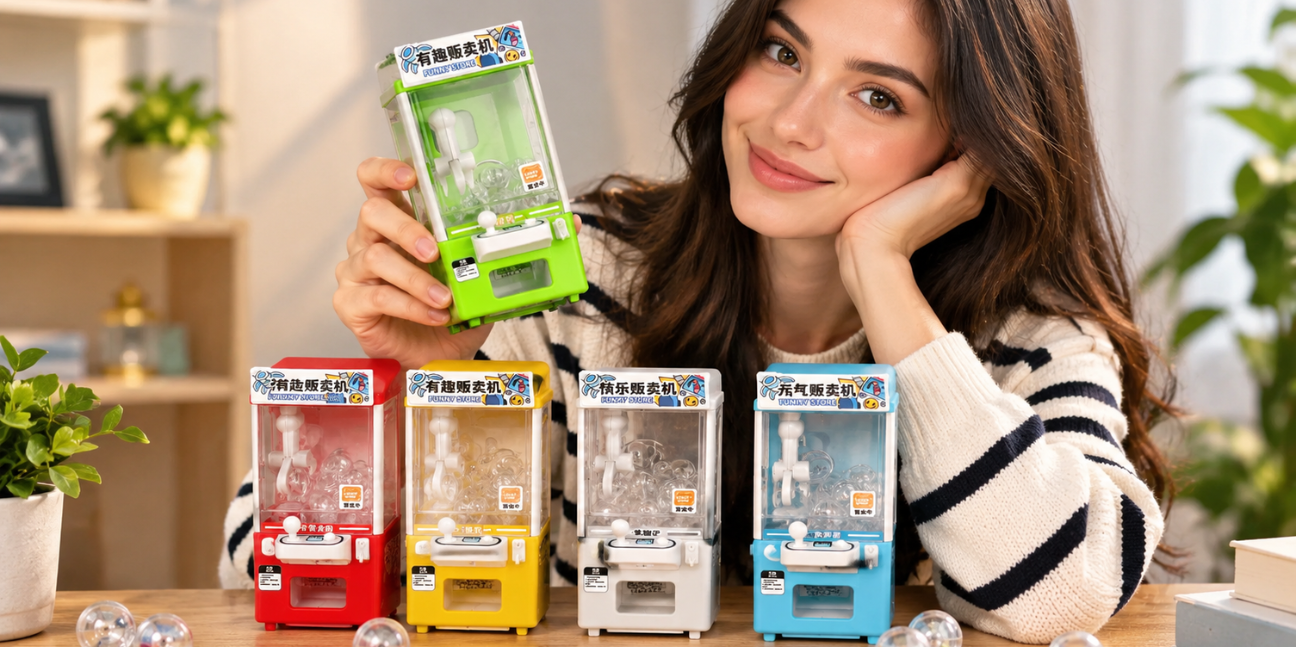
One of the most creative approaches is mixing functional miniatures with fantasy characters. Tiny working objects can provide realistic details and interactive elements, while dolls and fantasy figures give the scene personality. A miniature crane machine, for example, can become an attraction in a tiny entertainment area, while miniature tongs can add realism to a kitchen, workshop, shop, or food scene. A fantasy character such as a mermaid BJD doll can then become the central figure connecting the different elements.
This combination gives collectors plenty of opportunities to experiment with miniature storytelling. Instead of following a single theme, a collection can evolve around characters, locations, activities, and imaginative narratives.
Why Mixing Miniature Styles Creates More Interesting Collections
A collection built around only one type of miniature can look cohesive, but combining different categories can make a display feel more dynamic. Functional miniatures introduce realism, while fantasy figures create imagination and personality.
Realistic miniature objects can represent things found in everyday environments. Tools, machines, kitchen accessories, furniture, and other tiny objects help establish the setting. Fantasy characters, meanwhile, can transform an ordinary setting into something completely different.
For example, a miniature café can become a seaside fantasy café with the addition of a mermaid character. A tiny workshop can become part of an imaginative underwater construction site. A miniature entertainment corner can become a playful attraction within a fantasy village.
The contrast between realistic objects and imaginative characters is what makes these scenes visually appealing. It also gives collectors more freedom when designing displays.
Start With a Theme Before Adding Miniature Pieces
Before collecting individual pieces, it helps to establish a broad theme. The theme does not need to be extremely specific. A general concept such as a fantasy village, miniature amusement area, seaside town, magical workshop, or tiny home can provide enough direction.
A theme helps determine which pieces will complement one another. It also prevents a collection from becoming a random assortment of objects that have no connection.
However, miniature collecting does not need strict rules. A fantasy-themed collection can include realistic machines, while an ordinary dollhouse can feature an unusual fantasy character. The goal is to create a scene that feels intentional rather than limiting every piece to a single category.
Collectors can also build a theme around a character. A mermaid BJD doll, for instance, can inspire an entire underwater or coastal environment. The character can become the starting point, with miniature furniture, tools, machines, and accessories added afterward.
Use Functional Miniatures to Add Realism
Functional miniatures are especially effective because they provide more than visual appeal. A miniature object that performs an action can make a display more interactive and engaging.
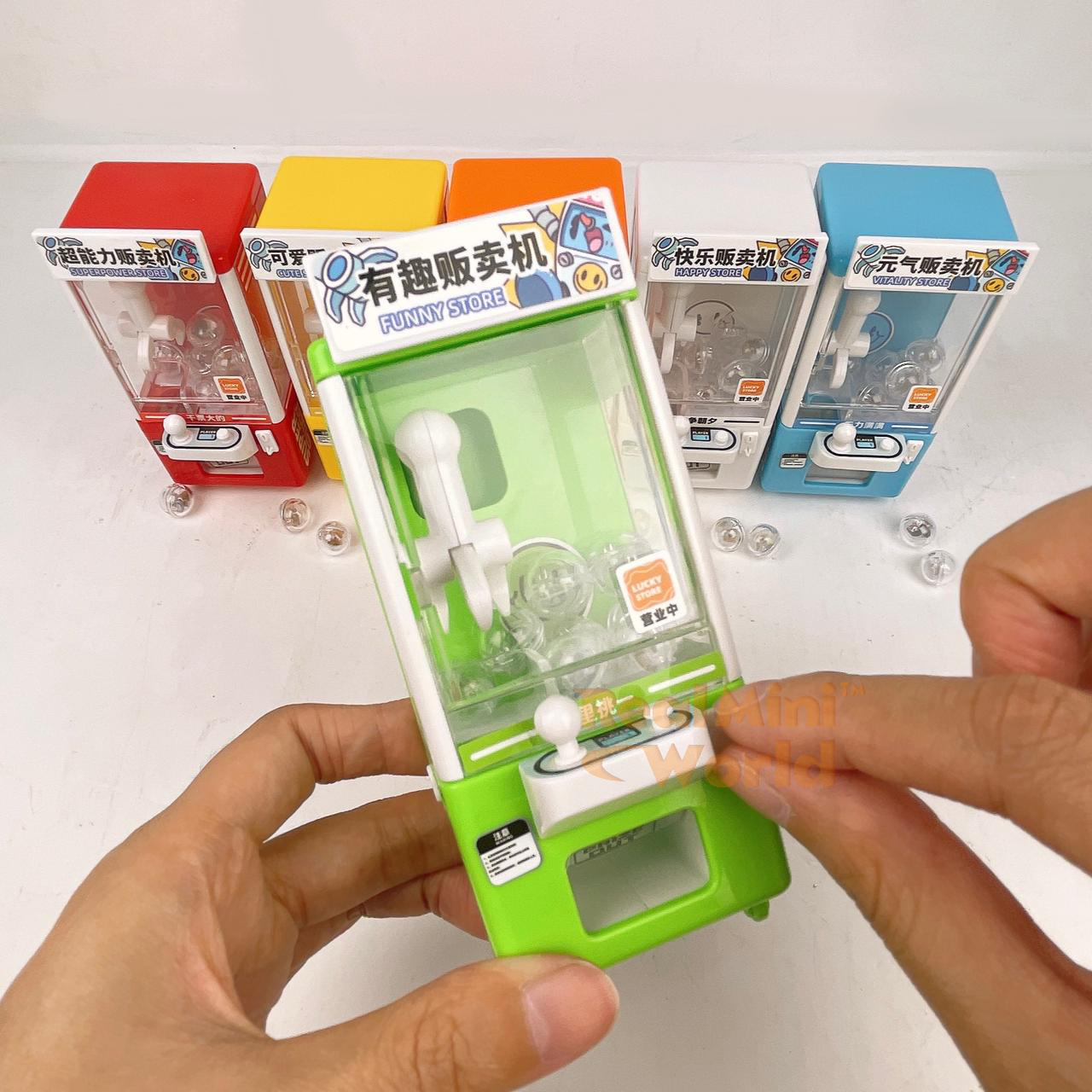
The miniature real functioning crane machine is a good example of this concept. Rather than simply serving as a decorative prop, a working miniature machine can become an activity within a miniature scene. It can represent an arcade attraction, a shop feature, a fairground game, or an entertainment area.
Functional objects can also make miniature photography and storytelling more interesting. A scene can show a character interacting with an object rather than simply standing beside it.
This approach can be particularly appealing to collectors who enjoy experimenting with miniature environments. Instead of creating a static display, functional pieces provide opportunities for movement, interaction, and changing scenes.
Add Tiny Accessories for Realistic Details
Small accessories often have a surprisingly large impact on miniature scenes. A tiny object does not need to be the main attraction to make a display more convincing.
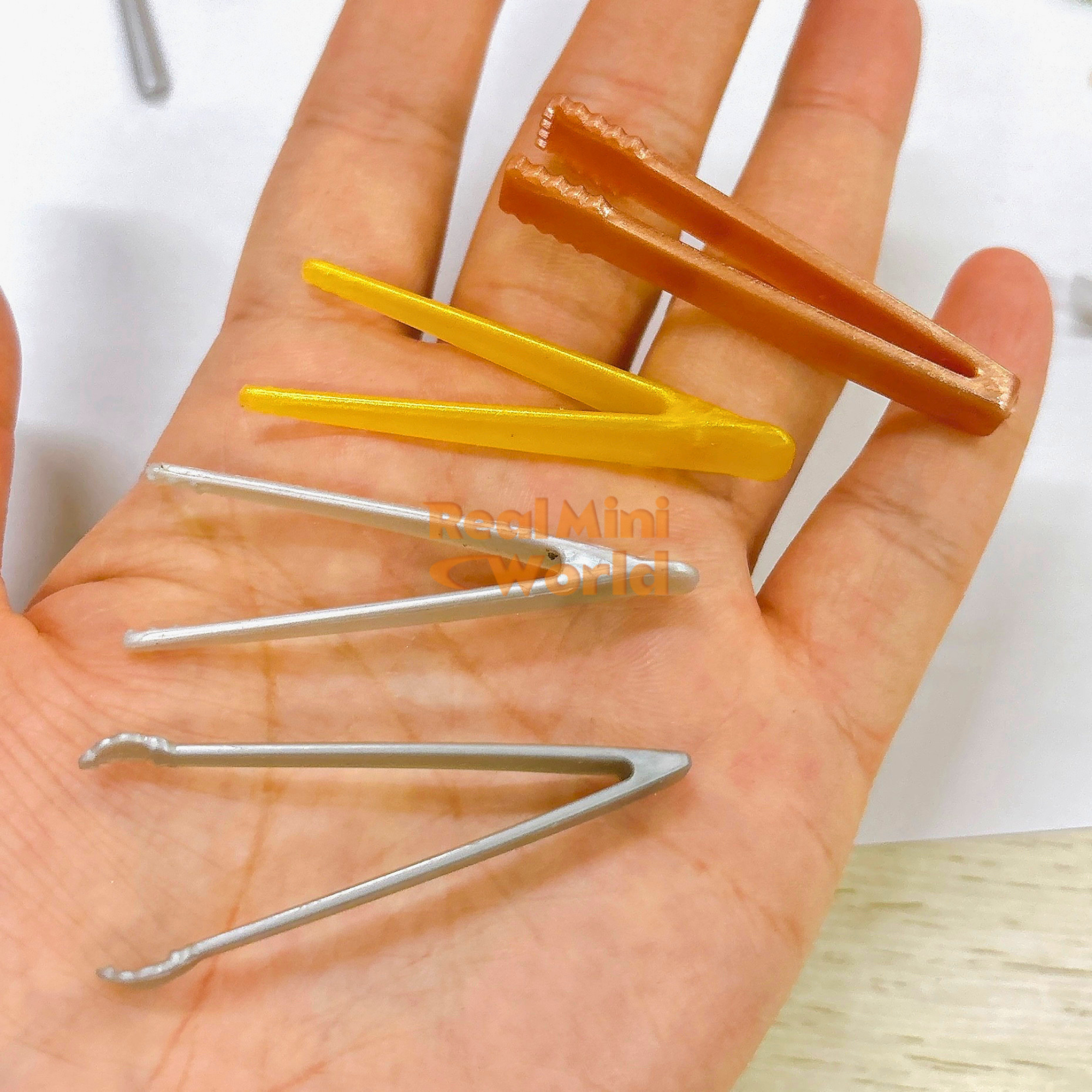
Miniature tongs, for example, can become part of a tiny kitchen, bakery, restaurant, workshop, laboratory, or market stall. Their practical appearance can make the environment feel like a functioning space rather than a simple decorative setup.
Small accessories are also useful for filling empty areas. A countertop, workbench, table, or shelf can look incomplete without small objects that suggest how the space is used.
The best miniature displays often contain these small details throughout the scene. A character might have a tool nearby, a machine might sit in an entertainment area, and a countertop might contain tiny accessories. These details encourage viewers to look closer and discover new elements.
Let Fantasy Characters Become the Focus
Once functional and decorative objects establish the environment, fantasy characters can provide the emotional center of the scene.
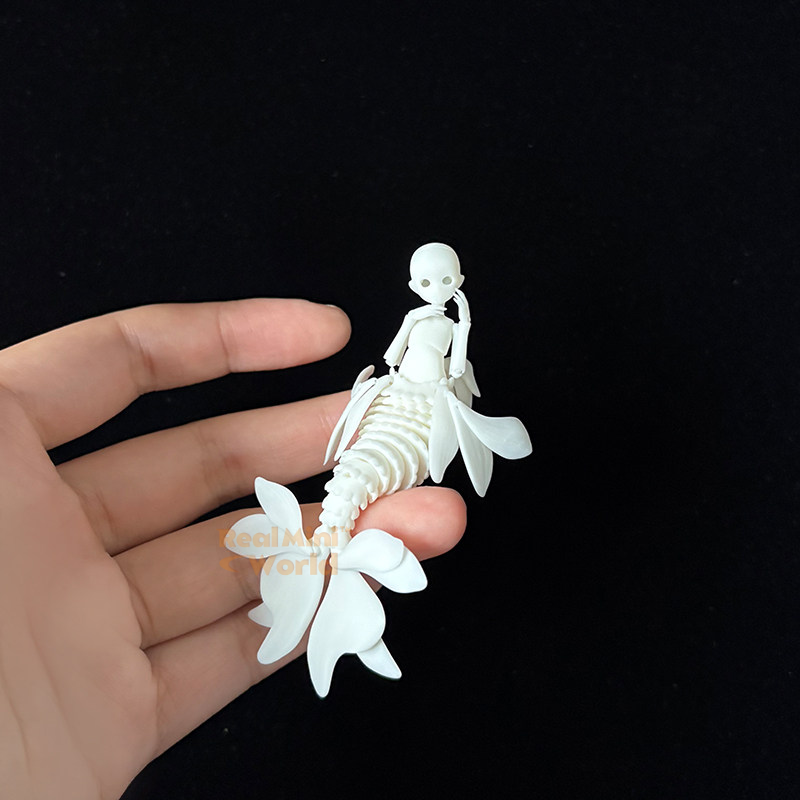
A miniature mermaid BJD doll can work especially well for collectors interested in fantasy storytelling. BJD, or ball-jointed doll, designs are known for their articulated construction, which can offer greater flexibility when arranging poses and scenes.
A mermaid character can be placed in a variety of environments depending on the story. A coastal miniature village, underwater fantasy setting, magical shop, seaside café, or whimsical amusement area can all provide different possibilities.
The character does not necessarily need to be surrounded by traditional mermaid-themed accessories. Mixing the fantasy figure with ordinary miniature objects can create a more original concept.
For example, a mermaid visiting a tiny entertainment area creates a playful story. A mermaid operating a miniature shop creates another narrative. A fantasy character discovering a tiny machine or using miniature tools can also create an unusual scene.
Create a Story Around the Collection
Storytelling can turn a collection of miniature objects into a miniature world. Each piece can have a purpose within the story.
Rather than simply arranging a crane machine, tongs, and character on a shelf, collectors can imagine why each item exists within the scene.
The crane machine could belong to a tiny seaside arcade. The miniature tongs could be used by a character working in a nearby food stall. The mermaid could be a visitor, shop owner, entertainer, or central character in the fictional town.
This method gives every object a role.
A simple story can also make rearranging the collection more enjoyable. The scene can change according to different chapters or events. A character might move from a café to an arcade, from a workshop to a market, or from a coastal village to a fantasy festival.
Build Different Miniature Zones
A larger miniature display does not have to function as one single environment. It can contain several connected zones.
For example, a fantasy miniature town could include:
Entertainment Zone
The miniature real functioning crane machine can become a focal point in an arcade or amusement area. Other small games, signs, seating, and decorative details can be added around it.
Food or Market Zone
Miniature tongs can be placed within a tiny food stall, bakery, market, or kitchen. Additional miniature containers, dishes, ingredients, and counters can make the area feel active.
Fantasy Character Zone
The mermaid BJD doll can occupy a central position near a fountain, seaside area, magical shop, or underwater-inspired setting.
Residential Zone
A tiny home, cottage, or room can give the character a place to live. Furniture and everyday objects can provide additional context.
Dividing a display into zones makes it easier to expand a collection over time. New pieces can be assigned to a specific area rather than being added randomly.
Combine Realistic and Imaginative Colors and Textures
Visual consistency can help different miniature styles work together. Colors and textures can connect objects even when they have completely different purposes.
A coastal fantasy display might use shells, blue tones, sandy textures, wood, and soft lighting. A miniature arcade could introduce bright signs and playful details. A tiny food stall could use warm colors and realistic materials.
The goal is not necessarily to make every object match perfectly. Instead, repeating certain visual elements can help the entire display feel connected.
Natural materials such as wood, stone, fabric, paper, and miniature greenery can also help bridge the gap between functional objects and fantasy characters.
Use Scale Carefully
Scale is one of the most important considerations when mixing miniature pieces. Different miniature categories can sometimes use slightly different proportions, and combining them without planning may make a scene look inconsistent.
Collectors can consider the approximate height of the character when selecting furniture, accessories, machines, and other objects.
The scale does not always have to be exact. Fantasy environments can intentionally use exaggerated proportions. However, when realism is the goal, keeping objects within a compatible size range helps the scene look more convincing.
The mermaid BJD doll can serve as a reference point. Once the character's proportions are established, surrounding objects can be selected and positioned accordingly.
Make Functional Pieces Part of the Story
A working miniature is most effective when it has a reason to exist in the scene.
The miniature crane machine could be placed inside a fictional arcade operated by the miniature community. It could become a popular attraction where characters gather. It might also represent a prize machine at a tiny festival.
This makes the machine more than a standalone object.
Similarly, miniature tongs can be integrated into a cooking or market scene. A character can be positioned near a food counter, while the tongs sit beside other tools.
When objects are incorporated into activities, the miniature world feels more alive.
Create Seasonal Miniature Displays
Another advantage of mixing functional miniatures and fantasy characters is the ability to create seasonal scenes.
A summer miniature display could place the mermaid character near a seaside setting with colorful decorations. A holiday scene could transform the same environment with miniature lights, gifts, and seasonal accessories.
A miniature crane machine can also become part of different seasonal settings. It could appear at a summer fair, winter market, birthday celebration, or fantasy festival.
Small accessories such as miniature tongs can be moved between different scenes. This flexibility makes a collection more versatile.
Miniature Photography Becomes More Creative
Miniature collections can also provide opportunities for creative photography.
Functional objects create natural action shots. A photograph can capture a character interacting with a machine, holding a tiny accessory, or standing inside a carefully constructed environment.
Lighting can dramatically change the mood. Soft lighting can create a magical atmosphere, while brighter lighting can make the scene look like a real miniature shop or arcade.
Different camera angles can also make a miniature scene appear larger. Close-up photographs emphasize details, while wider compositions reveal the relationship between characters and their surroundings.
The mermaid BJD doll can be especially useful for character-focused photography because the figure can become the subject of different scenes and narratives.
Build a Miniature Collection Gradually
There is no need to create an elaborate miniature world immediately. A collection can develop one piece at a time.
A collector might begin with a fantasy character and later add furniture, accessories, tools, and functional objects. Another collector might begin with a miniature machine and build an entire environment around it.
Starting small can also make it easier to maintain consistency.
The miniature crane machine could inspire an entertainment-themed display. Miniature tongs could then introduce a food stall or workshop. The mermaid BJD doll could connect these environments through a larger fantasy story.
Over time, these individual scenes can become parts of one larger miniature world.
Display Miniatures in Creative Ways
A miniature collection does not always need to remain inside a traditional dollhouse. Shadow boxes, glass cases, shelves, cabinets, display boxes, and custom dioramas can all be used.
A glass display can protect delicate figures while allowing viewers to see the entire scene. A shadow box can focus attention on one carefully designed environment.
Open shelves can work well for larger collections, especially when different scenes are arranged across multiple levels.
Collectors can also create rotating displays. One month might focus on an underwater fantasy scene, while another could feature a miniature market or amusement area.
Choose Miniatures That Encourage Creativity
The strongest additions to a miniature collection are often those that can be used in more than one way.
A miniature crane machine can become an arcade attraction, a carnival game, or part of an unusual fantasy environment. Miniature tongs can appear in kitchens, restaurants, markets, workshops, or craft scenes.
A mermaid BJD doll can move between different settings and play different roles in each story.
This versatility makes such pieces valuable for collectors who enjoy changing their displays instead of creating one permanent arrangement.
Why Real Miniatures Can Make a Collection Stand Out
A miniature collection becomes memorable when it reflects the collector's imagination. Functional objects introduce an element of surprise, while fantasy characters create personality.
Real Mini World offers an interesting combination of miniature concepts for collectors looking beyond conventional decorative pieces. Its miniature real functioning crane machine can add an interactive feature, while miniature tongs can contribute realistic everyday details. The miniature mermaid BJD doll can then provide a distinctive fantasy character for storytelling and display.
Together, these types of pieces demonstrate how a miniature world can combine realism and imagination without following a single traditional theme.
Tips for Creating a Cohesive Miniature Display
A few simple principles can help bring different miniature pieces together.
Keep a Central Story
Every object does not need a complicated backstory, but the overall scene should have a recognizable concept.
Repeat Visual Elements
Similar colors, textures, materials, and decorative details can help unrelated objects feel connected.
Balance Large and Small Details
A display should include focal pieces as well as small accessories that reward closer inspection.
Leave Some Open Space
Overcrowding can make a miniature scene difficult to understand. Empty areas can give important objects more visual impact.
Experiment With Positioning
Moving a character or object by only a small amount can completely change the composition. Testing several arrangements can reveal a stronger scene.
Final Thoughts on Mixing Functional Miniatures With Fantasy Characters
Miniature collecting becomes especially rewarding when realistic objects and imaginative characters are allowed to share the same world. Functional miniatures provide movement and authenticity, while tiny accessories add believable details. Fantasy characters introduce personality and create opportunities for storytelling.
A miniature real functioning crane machine can become an entertainment feature, miniature tongs can contribute practical realism, and a mermaid BJD doll can serve as the imaginative centerpiece of an entire scene. These pieces do not have to belong to separate collections. With thoughtful placement, they can become interconnected parts of one creative miniature environment.
For collectors, the real appeal lies in experimentation. A tiny machine can become part of a fantasy village, a simple tool can tell a story about a character's daily life, and a mermaid can transform an ordinary miniature setting into something magical. By mixing functional miniatures with fantasy characters, collectors can create displays that feel personal, interactive, and full of possibilities.