The Complete Guide to Pet Grooming: More Than Just Looks

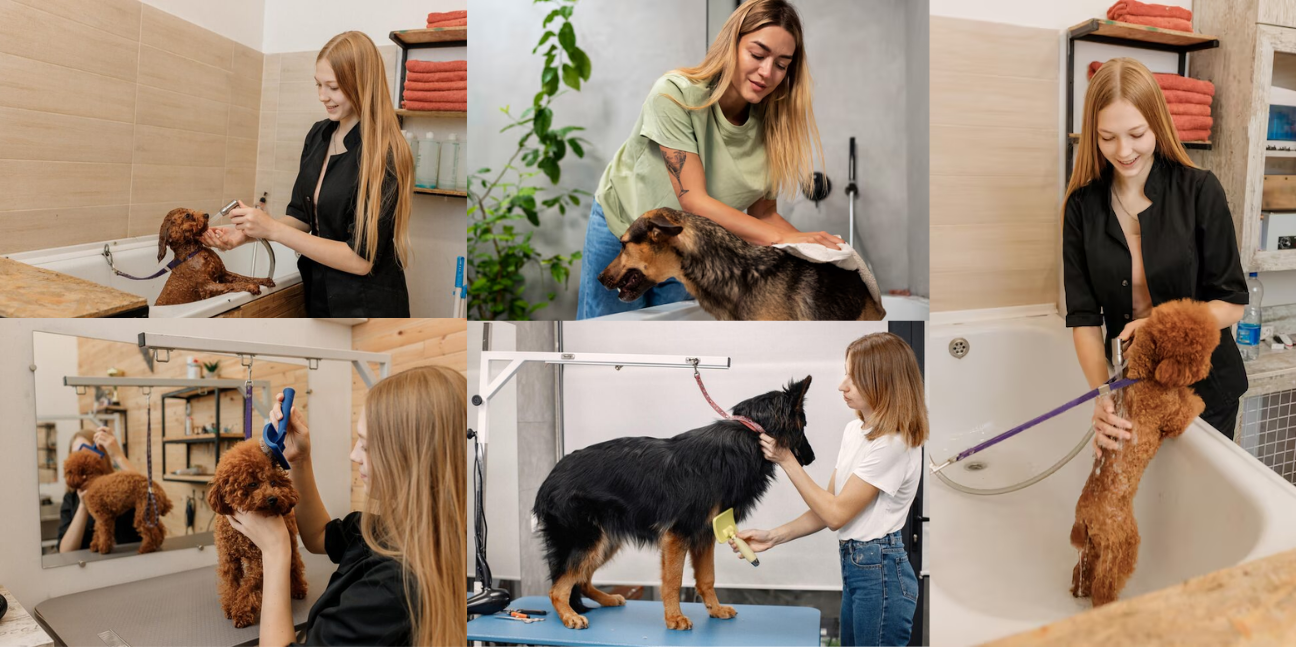
Grooming is often seen as a cosmetic activity, but in reality, it plays a vital role in your pet’s overall health, comfort, and well-being.
Grooming is often seen as a cosmetic activity, but in reality, it plays a vital role in your pet’s overall health, comfort, and well-being. Regular grooming is not just about keeping your dog or cat looking clean—it directly impacts their hygiene, skin condition, behavior, and even long-term health.
For many pet owners, grooming can feel like a chore or something that is only done occasionally when things get messy. However, when grooming is approached as a consistent part of pet care, it becomes a powerful preventive habit that helps avoid problems before they even begin.
A well-groomed pet is not only healthier but also more comfortable and confident. Understanding how and when to groom your pet can make the process easier, more effective, and even enjoyable for both you and your companion.
Why Grooming Is Important for Every Pet
Grooming goes far beyond appearance. It helps maintain healthy skin, prevents infections, reduces shedding, and allows you to detect potential health issues early. It is one of the simplest ways to stay connected with your pet’s physical condition.
Regular brushing removes dirt, loose hair, and dead skin, while also improving blood circulation. Bathing helps keep your pet clean, fresh, and free from odors, especially for animals that spend time outdoors or are naturally more active.
More importantly, grooming sessions give you the opportunity to check for abnormalities such as lumps, skin irritation, parasites, or injuries that might otherwise go unnoticed. Early detection of these issues can make a significant difference in treatment and recovery.
Over time, consistent grooming becomes a form of preventative care, helping your pet stay healthier with fewer complications.
Brushing: The Foundation of Grooming
Brushing is one of the simplest yet most important grooming habits you can build. It helps prevent matting, reduces shedding, and keeps your pet’s coat healthy and shiny.
Different pets require different brushing frequencies. Long-haired breeds may need daily brushing to prevent tangles and mats, while short-haired pets can usually be groomed a few times a week. Understanding your pet’s coat type is essential for creating the right routine.
Regular brushing also helps distribute natural oils across the coat, which improves skin health and enhances natural shine. It keeps the coat smooth and prevents buildup of dirt and debris.
Beyond physical benefits, brushing is also a great bonding activity. It allows you to spend calm, focused time with your pet, helping them feel relaxed and secure.
Bathing: Keeping It Balanced
Bathing is an important part of grooming, but it must be done carefully. Over-bathing can strip natural oils from your pet’s skin, leading to dryness, irritation, and discomfort.
Most pets do not need frequent baths unless they become dirty, develop an odor, or have specific skin conditions. The frequency depends on factors such as lifestyle, coat type, and activity level.
Using pet-safe shampoos is essential. Human shampoos are often too harsh and can disrupt the natural balance of your pet’s skin. Choosing the right products ensures effective cleaning without causing harm.
The goal is to maintain cleanliness while preserving the natural protective layer of your pet’s skin.
Nail Care: Often Overlooked but Essential
Nail trimming is one of the most overlooked aspects of grooming, yet it is crucial for your pet’s comfort and mobility. Many pets suffer discomfort simply because their nails are too long.
Overgrown nails can cause pain, affect walking posture, and even lead to joint problems over time. In some cases, nails can split or break, causing injury.
Regular trimming ensures that your pet can move comfortably and naturally. It also prevents damage to floors, furniture, and even people.
If you are unsure how to trim nails safely, it is best to start slowly or seek guidance from a professional. With practice, it becomes a simple and manageable routine.
Ear and Dental Hygiene
Grooming is not limited to fur and nails. Ear cleaning and dental care are equally important for maintaining your pet’s overall health.
Dirty ears can lead to infections, especially in breeds with floppy ears or those prone to wax buildup. Regular inspection and gentle cleaning help prevent discomfort and more serious conditions.
Dental hygiene is often neglected, but it plays a major role in your pet’s long-term health. Poor dental care can lead to plaque buildup, gum disease, and even internal health issues.
Brushing your pet’s teeth or using dental treats and tools can significantly reduce these risks. Maintaining oral hygiene helps ensure a healthier and more comfortable life.
Making Grooming a Positive Experience
Many pets feel anxious about grooming, especially if they are not used to it from an early age. Creating a calm and positive environment can make a big difference in how they respond.
Start slowly and introduce grooming in short sessions. Use positive reinforcement such as treats, praise, and gentle handling to build trust. Avoid forcing your pet into uncomfortable situations, as this can create long-term fear.
Over time, consistency helps pets become familiar with the process. What once felt stressful can become a normal and even relaxing part of their routine.
The goal is to create a grooming experience that feels safe and predictable.
When to Consider Professional Grooming
While basic grooming can be done at home, there are situations where professional help is the better option. Complex haircuts, severe matting, or breed-specific grooming requirements often require expert handling.
Professional groomers are trained to handle different coat types, behaviors, and grooming tools safely. They can also identify issues that may not be obvious to pet owners.
For busy pet owners, professional grooming can save time and ensure that grooming is done correctly and consistently.
Combining regular at-home care with occasional professional grooming creates a balanced and effective approach.
Long-Term Benefits of Regular Grooming
Consistent grooming offers long-term benefits that go beyond immediate cleanliness. It improves skin health, reduces shedding, prevents infections, and supports overall comfort.
Well-groomed pets are often more relaxed, better behaved, and easier to manage. They experience fewer health issues related to hygiene and tend to adapt better to routines.
In addition, grooming strengthens the bond between pet and owner. It creates moments of trust, care, and attention that deepen your relationship over time.
Conclusion and Call to Action!
Pet grooming is not just about maintaining appearance—it is an essential part of responsible and thoughtful pet care. Regular grooming keeps your pet comfortable, healthy, and free from preventable issues.
By incorporating brushing, bathing, nail care, and hygiene into your routine, you create a system that supports long-term well-being and stability.
Over time, grooming becomes more than a task—it becomes a habit that improves your pet’s quality of life and strengthens the bond you share. When done consistently and with care, it becomes one of the most valuable routines in your pet’s daily life.