The Ultimate Guide to Pet Training: Building Good Behavior From Day One

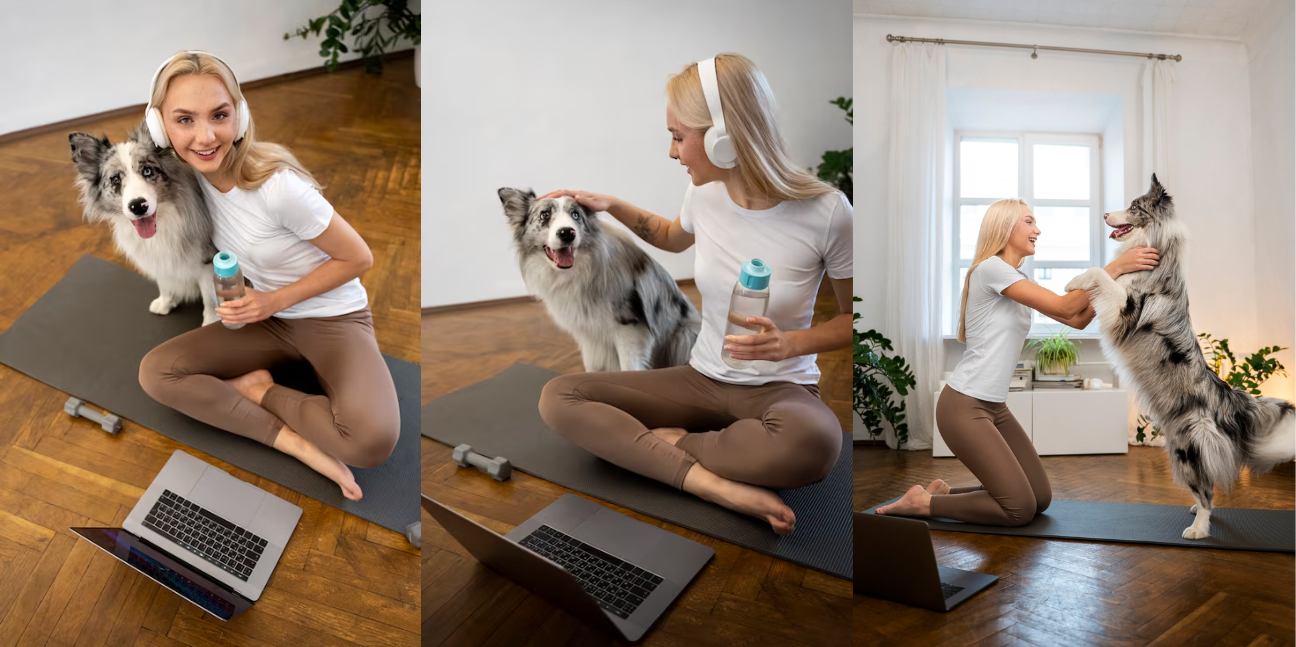
Training is one of the most important aspects of raising a well-behaved and emotionally balanced pet.
Training is one of the most important aspects of raising a well-behaved and emotionally balanced pet. Whether you have a dog or a cat, training goes far beyond teaching simple commands—it is about building communication, establishing trust, and creating a structured environment where your pet understands what is expected.
Many pet owners delay training or assume it is only necessary for dogs. In reality, all pets benefit from basic training because it provides mental stimulation, reduces confusion, and helps them feel more secure in their surroundings. Without proper guidance, pets may develop habits that become difficult to manage over time.
Starting early and staying consistent makes training easier, more effective, and far less stressful for both you and your pet. The earlier you begin, the stronger the foundation you create.
Why Training Is Essential
Training is essential because it provides structure and clarity in your pet’s life. Pets naturally look for patterns and guidance, and training helps them understand boundaries and expectations. A trained pet is safer, more predictable, and easier to manage in everyday situations. Commands such as “sit,” “stay,” and “come” are not just tricks—they are tools that can prevent accidents and ensure control in unfamiliar or potentially risky environments.
Training also plays a major role in emotional health. It reduces anxiety by creating consistency and provides mental engagement that prevents boredom. A mentally stimulated pet is calmer, more focused, and less likely to develop destructive behaviors.
Start With Basic Commands
For beginners, starting with simple commands is the best approach. Basic cues such as sit, stay, come, and not create the foundation for all future training.These commands help establish communication between you and your pet. Once your pet understands these basics, it becomes easier to introduce more advanced behaviors.
Short training sessions are far more effective than long ones. Pets have limited attention spans, so keeping sessions brief, focused, and engaging leads to better retention. Practicing daily—even for a few minutes—creates consistency and helps reinforce learning. Over time, these small sessions build strong habits.
Use Positive Reinforcement
Positive reinforcement is one of the most effective and widely recommended training methods. It involves rewarding your pet for good behavior using treats, praise, or play. When pets associate a behavior with a reward, they are naturally encouraged to repeat it. This creates a positive learning environment where your pet feels motivated rather than pressured.
This approach builds trust and strengthens your relationship. Your pet begins to see training as something enjoyable rather than something to fear. Punishment-based methods should be avoided. They may produce short-term results but often lead to anxiety, confusion, and weakened trust over time.
Be Consistent With Rules
Consistency is one of the most important factors in successful training. If rules change frequently, pets become confused and struggle to understand what is expected of them. Everyone in the household should follow the same commands and boundaries. Using different words or allowing exceptions can slow down progress and create mixed signals.
Clear and consistent communication helps pets learn faster and behave more reliably. It creates a predictable system that they can easily follow. Consistency also builds confidence. When pets know what to expect, they feel more secure and respond better to guidance.
Understand Your Pet’s Behavior
Training becomes significantly easier when you understand why your pet behaves the way it does. Many unwanted behaviors are not acts of disobedience, but responses to boredom, anxiety, excess energy, or lack of stimulation. Observing your pet’s habits and patterns helps you identify triggers. For example, excessive barking may be linked to boredom, while destructive behavior may be caused by pent-up energy.
Addressing the root cause of behavior is far more effective than simply correcting the action. When you solve the underlying issue, the behavior often improves naturally. Understanding your pet’s personality also allows you to adjust your training approach. Some pets respond better to play-based rewards, while others prefer treats or verbal praise.
Practice Patience and Timing
Training is a gradual process that requires patience. Progress may be slow at first, and setbacks are a normal part of the journey. Timing plays a crucial role in training success. Rewards should be given immediately after the desired behavior so that your pet can clearly associate the action with the outcome.
Even small improvements should be acknowledged. Recognizing progress builds confidence and keeps your pet motivated. Patience combined with consistency leads to long-term results. Rushing the process often creates confusion and slows down learning.
Socialization and Exposure
Socialization is a key part of training, especially for young pets. Exposing them to different people, environments, sounds, and situations helps build confidence and adaptability.
Well-socialized pets are less likely to develop fear-based behaviors such as aggression or withdrawal. They are generally more relaxed and better able to handle new experiences.
Introducing new situations gradually is important. Overexposure can overwhelm your pet, while controlled exposure helps them adjust comfortably.
Socialization not only improves behavior but also enhances your pet’s overall quality of life.
Creating a Training Routine
A structured training routine helps reinforce learning and creates consistency. Setting aside a specific time each day for training builds discipline for both you and your pet.
This routine does not need to be long—10 to 15 minutes of focused training can be highly effective. The key is regularity rather than duration.
Combining training with daily activities, such as feeding or playtime, can make learning feel natural and less forced.
Over time, this routine becomes a habit, making training easier and more efficient.
When to Seek Professional Training
While many training goals can be achieved at home, there are situations where professional guidance is beneficial. If your pet shows aggressive behavior, severe anxiety, or difficulty learning basic commands, a professional trainer can help.
Professional trainers bring experience, structure, and advanced techniques that can accelerate progress. They can also identify issues that may not be obvious to pet owners.
Seeking help early can prevent long-term behavioral problems and make the training process smoother.
Long-Term Benefits of Training
Consistent training provides long-term benefits that go beyond obedience. It creates a stable environment where pets feel secure, confident, and well-adjusted.
Trained pets are easier to manage in different situations, from social settings to travel and daily routines. They are also less likely to develop behavioral issues that can create stress for both the pet and the owner.
Training strengthens the bond between you and your pet. It builds trust, improves communication, and creates a deeper understanding that enhances your relationship over time.
Conclusion and Call to Action!
Pet training is not about control—it is about communication, consistency, and understanding. A well-trained pet feels more secure, behaves better, and enjoys a higher quality of life.
By starting early, using positive reinforcement, and maintaining clear and consistent routines, you can create a strong foundation for lifelong good behavior.
Training is a journey that requires patience and effort, but the rewards are lasting. A trained pet is not only easier to manage but also a more confident, balanced, and happy companion.