Travel Emergency Planning Guide

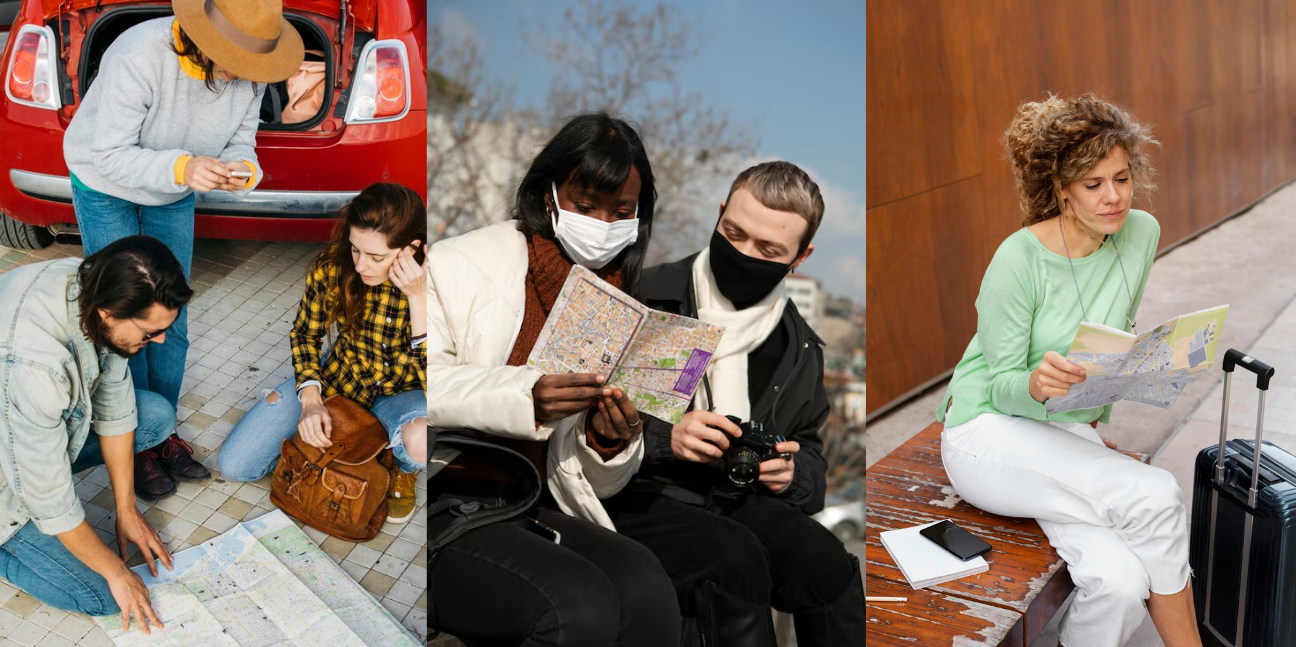
Travel is one of life's most rewarding experiences, offering opportunities to explore new destinations, meet different people, and create unforgettable memories.
Travel is one of life's most rewarding experiences, offering opportunities to explore new destinations, meet different people, and create unforgettable memories. However, even the most carefully planned trips can encounter unexpected challenges. Medical emergencies, lost passports, flight cancellations, natural disasters, theft, political unrest, and communication breakdowns can quickly transform a dream vacation into a stressful situation.
While most trips proceed smoothly, smart travelers understand the importance of preparation. Having a travel emergency plan does not mean expecting something to go wrong. Instead, it means being ready to respond effectively if an unexpected situation occurs.
A well-prepared traveler can often resolve problems more quickly, reduce financial losses, minimize stress, and maintain personal safety. This guide covers the essential steps every traveler should take before and during a trip to prepare for emergencies.
Why Travel Emergency Planning Matters
Many travelers spend weeks researching destinations, accommodations, and attractions but spend very little time preparing for potential emergencies.
Unfortunately, emergencies can happen anywhere and often occur without warning.
Common travel emergencies include:
- Medical issues
- Lost or stolen passports
- Missed flights
- Natural disasters
- Transportation disruptions
- Theft or scams
- Communication failures
- Political instability
Preparation can significantly improve your ability to respond calmly and effectively.
Create a Personal Travel Emergency Plan
Before departure, create a basic emergency response plan.
This plan should include:
- Emergency contacts
- Medical information
- Travel insurance details
- Local emergency numbers
- Embassy information
- Backup financial resources
Having this information readily available can save valuable time during a crisis.
Research Your Destination Thoroughly
Knowledge is one of the most effective forms of preparation.
Learn About Local Risks
Research:
- Weather patterns
- Natural disaster risks
- Political conditions
- Crime trends
- Health concerns
Understanding local conditions helps you make informed decisions throughout your trip.
Understand Emergency Services
Learn:
- Emergency phone numbers
- Hospital locations
- Police services
- Tourist assistance centers
Do not assume emergency systems operate the same way they do at home.
Purchase Comprehensive Travel Insurance
Travel insurance is one of the most important investments a traveler can make.
What Travel Insurance May Cover
Depending on the policy:
- Medical emergencies
- Emergency evacuation
- Trip cancellations
- Lost luggage
- Flight disruptions
- Personal liability
The cost of insurance is often minimal compared to potential emergency expenses.
Read the Policy Carefully
Understand:
- Coverage limits
- Exclusions
- Claim procedures
- Emergency contact numbers
Knowing how your policy works before an emergency occurs is essential.
Prepare Important Documents
Travel documents are among the most critical items you carry.
Documents to Protect
Include:
- Passport
- Visa documents
- Driver's license
- Travel insurance information
- Flight itineraries
- Accommodation reservations
Create Multiple Copies
Carry:
- Physical photocopies
- Digital copies stored securely online
- Copies shared with a trusted family member
Having backups simplifies replacement procedures if documents are lost or stolen.
Build an Emergency Contact List
Every traveler should maintain an easily accessible contact list.
Important Contacts
Include:
- Family members
- Close friends
- Travel insurance provider
- Airline contacts
- Accommodation contacts
- Embassy or consulate information
Store contact details both digitally and on paper.
Prepare for Medical Emergencies
Health-related issues are among the most common travel emergencies.
Carry Essential Medications
Bring:
- Prescription medications
- Copies of prescriptions
- Doctor contact information
- Basic first aid supplies
Always keep medications in carry-on luggage.
Research Healthcare Facilities
Identify nearby:
- Hospitals
- Clinics
- Pharmacies
Particularly if traveling to remote areas.
Create a Personal Medical Information Card
A medical information card can be extremely valuable during emergencies.
Include:
- Name
- Blood type
- Allergies
- Existing medical conditions
- Emergency contacts
- Current medications
Keep it in your wallet or travel bag.
Protect Your Finances
Financial emergencies can quickly disrupt travel plans.
Diversify Payment Methods
Avoid relying on a single source of money.
Carry:
- Credit cards
- Debit cards
- Emergency cash
- Backup payment options
Store them separately whenever possible.
Notify Your Bank
Inform financial institutions about your travel plans to reduce the likelihood of unexpected account restrictions.
Prepare for Lost or Stolen Passports
Passport loss is one of the most stressful travel situations.
Prevention Strategies
Keep your passport:
- Securely stored
- Protected from damage
- Accessible when needed
Know Replacement Procedures
Research:
- Embassy locations
- Consulate services
- Required documentation
Understanding the process beforehand reduces panic if replacement becomes necessary.
Develop a Communication Backup Plan
Reliable communication is crucial during emergencies.
Communication Options
Consider:
- International phone plans
- Local SIM cards
- Messaging apps
- Portable Wi-Fi devices
Share Your Itinerary
Provide family or trusted contacts with:
- Accommodation details
- Flight information
- Planned destinations
This allows others to locate you if communication becomes difficult.
Plan for Natural Disasters
Natural disasters can affect travel unexpectedly.
Common Risks
Depending on the destination:
- Hurricanes
- Earthquakes
- Wildfires
- Floods
- Volcanic activity
Understand Local Procedures
Research:
- Evacuation routes
- Emergency shelters
- Weather alert systems
Preparation improves safety during rapidly changing situations.
Be Prepared for Transportation Disruptions
Transportation problems are among the most frequent travel challenges.
Common Issues
Include:
- Flight cancellations
- Delays
- Missed connections
- Train disruptions
- Road closures
Build Flexibility Into Your Schedule
Allow buffer time whenever possible.
Maintaining flexibility reduces stress when plans change unexpectedly.
Learn Basic Safety Practices
Many emergencies can be prevented through simple precautions.
Stay Aware of Your Surroundings
Avoid:
- Displaying valuables openly
- Isolated areas at night
- Risky situations
Situational awareness remains one of the most effective safety tools.
Trust Your Instincts
If a situation feels unsafe, remove yourself from it immediately.
Understand Local Laws and Regulations
Legal misunderstandings can create serious travel problems.
Research Important Rules
Learn about:
- Local customs
- Restricted items
- Photography restrictions
- Transportation regulations
Respecting local laws helps avoid unnecessary complications.
Keep Emergency Supplies Accessible
Even urban travelers benefit from carrying basic emergency supplies.
Useful Items
Include:
- Portable phone charger
- Flashlight
- First aid kit
- Water bottle
- Snacks
- Emergency cash
These small items can be extremely valuable during disruptions.
Plan for Technology Failures
Technology is helpful but should never be your only resource.
Potential Problems
Include:
- Dead batteries
- Lost devices
- Internet outages
Backup Solutions
Carry:
- Printed maps
- Paper contact lists
- Physical reservation confirmations
Redundancy improves reliability during emergencies.
Protect Yourself From Theft and Scams
Tourists are often targeted by scammers and thieves.
Common Prevention Strategies
- Use secure bags
- Avoid displaying expensive items
- Be cautious with strangers
- Verify information independently
Preparation significantly reduces risk
.
Emergency Planning for Family Travel
Families should take additional precautions.
Teach Children Important Information
Children should know:
- Parents' names
- Phone numbers
- Accommodation details
Establish Meeting Points
Agree on designated meeting locations in crowded areas.
Planning ahead helps if family members become separated.
Solo Traveler Emergency Planning
Solo travelers should be especially proactive.
Additional Precautions
Consider:
- Sharing itineraries regularly
- Checking in with trusted contacts
- Carrying emergency communication tools
Solo travel can remain safe with proper preparation.
Digital Security While Traveling
Cybersecurity is increasingly important.
Protect Your Information
Use:
- Strong passwords
- Two-factor authentication
- Secure networks
Avoid conducting sensitive financial transactions on unsecured public Wi-Fi.
Create an Emergency Response Mindset
Preparation is only part of the solution.
During an Emergency
Focus on:
- Staying calm
- Gathering information
- Prioritizing safety
- Following official guidance
Panic often makes situations worse.
Clear thinking improves decision-making.
Common Travel Emergency Mistakes to Avoid
Many travelers unintentionally increase risk.
Common Errors
- Skipping travel insurance
- Carrying all valuables together
- Ignoring local warnings
- Failing to share travel plans
- Relying solely on technology
Avoiding these mistakes improves overall preparedness.
How Emergency Planning Reduces Travel Stress
Some travelers worry that preparing for emergencies will make travel feel less enjoyable.
In reality, the opposite is true.
Preparation provides:
- Confidence
- Peace of mind
- Faster responses to problems
- Greater flexibility
Knowing you are prepared allows you to focus on enjoying the journey.
Final Thoughts
Travel emergencies are relatively rare, but preparation can make a tremendous difference when unexpected situations arise. Whether dealing with medical issues, lost documents, transportation disruptions, natural disasters, or financial challenges, having a clear emergency plan improves safety, reduces stress, and helps travelers respond effectively.
The best travel emergency strategy combines preparation, awareness, flexibility, and common sense. By researching destinations, securing insurance, protecting documents, maintaining communication options, and understanding local resources, travelers can confidently explore the world while minimizing risks.
A successful trip is not one where nothing goes wrong. It is one where challenges are handled calmly, safely, and effectively. With the right preparation, you can focus less on worrying about potential problems and more on enjoying the incredible experiences that travel has to offer.