Traveling With Your Pet: How to Make Every Journey Smooth and Stress-Free

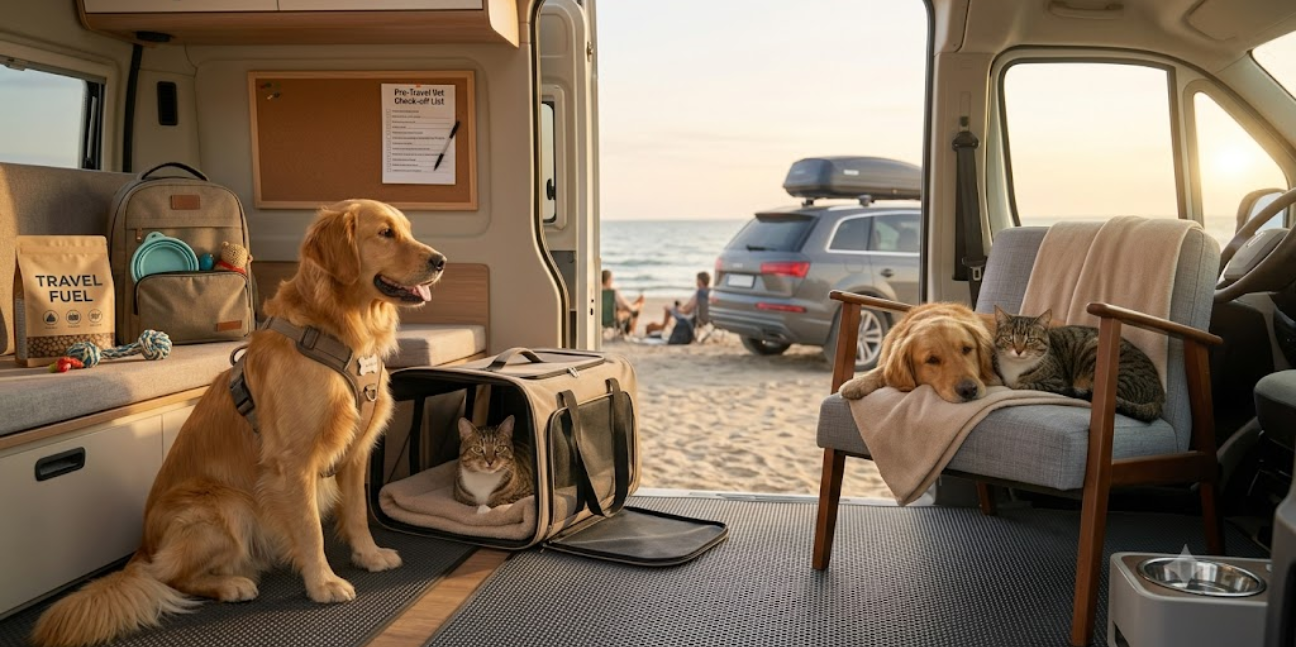
Traveling with pets has become increasingly common as more people choose to include their furry companions in their journeys.
Traveling with pets has become increasingly common as more people choose to include their furry companions in their journeys. Whether it is a short road trip, a family vacation, or even a long-distance relocation, bringing your pet along adds emotional value, companionship, and a deeper sense of connection to the experience.
However, traveling with pets requires far more planning than traveling alone. Unlike humans, pets rely heavily on familiarity, routine, and environmental stability. Sudden changes in surroundings, sounds, motion, and even smells can make them feel anxious, overwhelmed, or disoriented.
Without proper preparation, even a simple trip can become stressful for both the pet and the owner. But with the right mindset, thoughtful planning, and supportive tools, traveling with your pet can become a smooth, safe, and even enjoyable experience that strengthens your bond over time.
Preparing Before the Trip
Preparation is the foundation of successful pet travel. Before you begin your journey, it is essential to ensure that your pet is physically healthy, emotionally comfortable, and familiar with the idea of travel.
A visit to the veterinarian is highly recommended, especially for longer trips or first-time travel. This ensures your pet is fit to travel, up to date on vaccinations, and free from any underlying conditions that could be aggravated during the journey.
In addition to health checks, gradual exposure to travel conditions can make a significant difference. Short practice trips in a car, spending time in a carrier, or even simulating travel routines at home can help pets adapt to movement and confinement.
Preparation is not just physical—it is psychological. The more familiar your pet is with travel conditions beforehand, the calmer and more confident they will be during the actual journey.
Choosing the Right Travel Method
The mode of travel plays a major role in shaping your pet’s experience. Road trips are generally the most flexible and pet-friendly option, allowing for breaks, adjustments, and constant supervision.
Frequent stops for hydration, bathroom breaks, and short walks help maintain comfort and reduce stress. This flexibility makes road travel ideal for most pets.
Air travel, however, requires detailed planning. Airline policies, carrier specifications, and safety regulations must be followed carefully. Some pets may find air travel stressful due to noise, confinement, and limited interaction.
Understanding your pet’s personality and tolerance level is essential. Choosing a travel method that aligns with their comfort can significantly reduce anxiety and improve the overall experience.
Packing Essentials for Your Pet
Just like you prepare a travel bag for yourself, your pet needs a dedicated travel kit. This should include food, water, portable bowls, leash, waste bags, grooming items, and any medications they require.
In addition to essentials, familiar items such as toys, blankets, or bedding are extremely valuable. These items carry your pet’s scent and provide comfort in unfamiliar environments, helping reduce stress.
You may also consider packing extra supplies in case of delays or unexpected situations. Being over-prepared ensures that your pet’s needs are always met.
A well-organized packing system makes it easier to access items quickly, keeping the journey smooth and stress-free.
Managing Stress During Travel
Travel can be overwhelming for pets, especially if they are not used to it. Signs of stress may include whining, panting, restlessness, or withdrawal.
To manage this, maintaining a calm and controlled environment is essential. Speak in a soothing tone, avoid sudden movements, and keep your behavior relaxed. Pets are highly sensitive to human emotions, so your calmness directly affects their comfort.
For longer journeys, frequent breaks are crucial. Allow your pet to stretch, hydrate, and relax. These pauses help reset their energy and reduce anxiety.
You can also use calming strategies such as familiar scents, gentle interaction, or soft background noise to create a sense of normalcy even in a moving environment.
Safety During the Journey
Safety should always be your top priority when traveling with pets. In vehicles, pets should never roam freely, as this increases the risk of injury and distraction.
Using carriers, seatbelt harnesses, or secured crates ensures both safety and stability. It also helps pets feel more contained and secure.
Never leave pets unattended in cars, especially in warm conditions. Even a few minutes can lead to dangerously high temperatures and serious health risks.
For air travel, ensure that carriers are well-ventilated, properly sized, and compliant with airline requirements. Adding identification tags and labels provides an extra layer of security.
Adjusting to New Environments
Arriving at a new destination can be just as challenging as the journey itself. Pets may feel uncertain or anxious in unfamiliar surroundings.
To help them adjust, allow gradual exploration. Start with a small, safe area before giving them access to the entire space. This helps build confidence and prevents overwhelm.
Maintaining routines—such as feeding times, walks, and sleep schedules—creates a sense of stability. Familiar items like bedding or toys further ease the transition.
Consistency during this phase helps pets adapt faster and feel more secure in their new environment.
Making Travel Enjoyable for Your Pet
Travel should not only be manageable—it should also be enjoyable. Choosing pet-friendly destinations, accommodations, and activities allows your pet to actively participate in the experience.
Look for open spaces, parks, and safe environments where your pet can move freely and explore. These moments allow them to release energy and associate travel with positive experiences.
Engaging your pet in activities and spending quality time together enhances their comfort and strengthens your bond. Over time, they begin to associate travel with excitement rather than stress.
Long-Term Benefits of Traveling With Pets
Traveling with pets, when done properly, offers long-term benefits. It helps pets become more adaptable, confident, and comfortable in different environments.
It also reduces separation anxiety, as pets become accustomed to being included in your routines rather than left behind.
For owners, it creates shared experiences and memories that deepen the emotional connection with their pets.
Over time, regular travel can make pets more resilient and easier to manage in unfamiliar situations.
Conclusion and Call to Action!
Traveling with pets requires effort, planning, and patience, but the rewards are worth it. With proper preparation, attention to safety, and a focus on your pet’s comfort, you can transform travel into a positive and enriching experience.
By understanding your pet’s needs and adapting your approach accordingly, every journey becomes smoother and more enjoyable. Over time, both you and your pet become more confident travelers.
When done thoughtfully, traveling with your pet is not just about reaching a destination—it is about sharing the entire journey together and creating meaningful experiences along the way.