Understanding Pet Anxiety: How to Help Your Dog or Cat Feel Safe

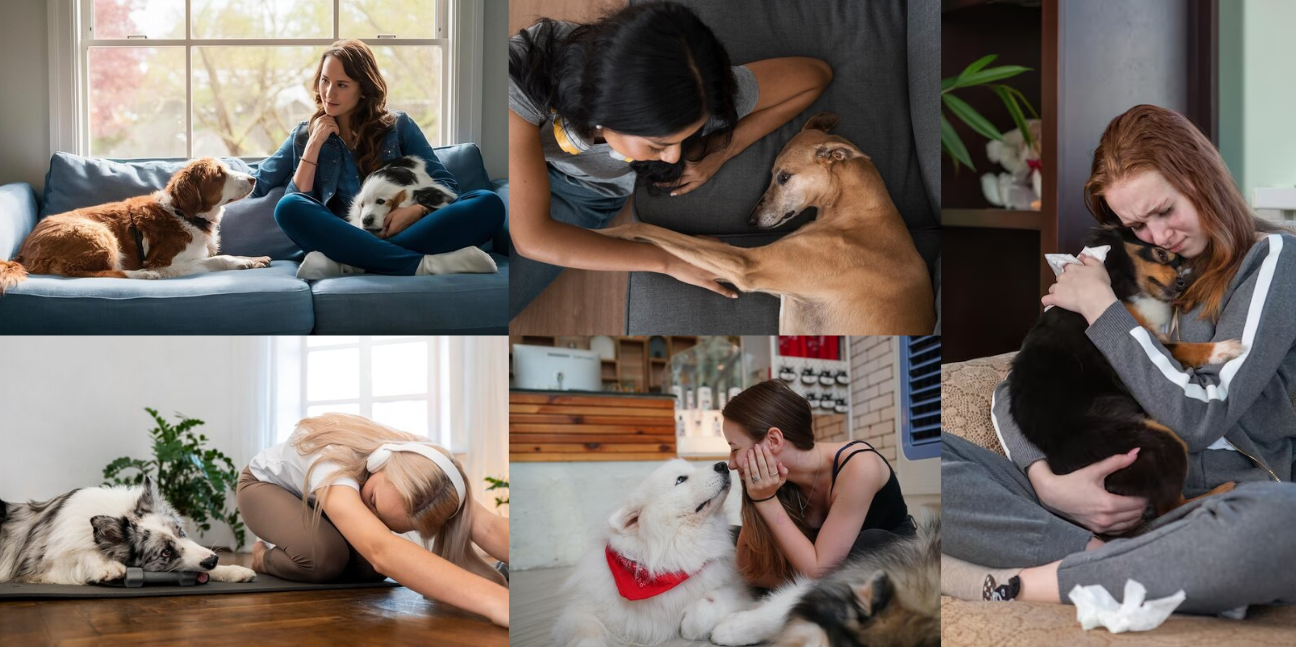
Pets, like humans, experience stress and anxiety. While it may not always be obvious at first glance, many dogs and cats struggle with feelings of fear, uncertainty, or overstimulation in their daily lives
Pets, like humans, experience stress and anxiety. While it may not always be obvious at first glance, many dogs and cats struggle with feelings of fear, uncertainty, or overstimulation in their daily lives. These emotions can appear in subtle ways—restlessness, clinginess, or changes in appetite—or in more noticeable behaviors like excessive barking, scratching, pacing, or hiding.
For many pet owners, these behaviors can be confusing or even frustrating. However, they are rarely random. In most cases, they are a form of communication. When a pet is anxious, it is not misbehaving—it is responding to something in its environment that feels overwhelming, unpredictable, or unsafe.
Understanding this shift in perspective is the first and most important step. Once you begin to see anxiety as communication rather than defiance, your approach naturally becomes more patient, more thoughtful, and far more effective.
Common Causes of Anxiety in Pets
Pet anxiety can be triggered by a wide range of factors, and often it is not just one single cause but a combination of influences. Changes in environment, loud or sudden noises, separation from owners, unfamiliar people, or disruptions in routine can all contribute to stress.
Dogs commonly experience separation anxiety when left alone for extended periods, especially if they are highly attached to their owners. Cats, while more independent, are extremely sensitive to environmental changes. Rearranging furniture, introducing new pets, or even altering daily household activity can create discomfort.
Travel, vet visits, thunderstorms, fireworks, and new environments are also common triggers. Even something as small as a different scent or unfamiliar sound can make a pet feel unsettled.
What seems minor to humans can feel significant to pets because their sense of security is built around familiarity. When that familiarity is disrupted, anxiety often follows.
Recognizing the Signs Early
Identifying anxiety early is key to preventing it from developing into more serious behavioral or health issues. Some common signs include pacing, excessive grooming, changes in appetite, destructive behavior, or unusual vocalization such as whining or meowing more than usual.
Some pets may withdraw completely, choosing to hide or avoid interaction for long periods. Others may go in the opposite direction and become overly attached, following their owner constantly or reacting strongly when left alone.
There can also be physical signs—trembling, panting, or changes in sleep patterns. These signals are often overlooked but can provide valuable insight into your pet’s emotional state.
Observing these patterns and understanding what is normal for your pet is essential. The earlier you recognize a shift, the easier it is to intervene and support them before the anxiety escalates.
Creating a Safe Environment
One of the most effective ways to reduce anxiety is by creating a safe, predictable, and comforting environment. Pets need a place where they can retreat and feel protected without interruption.
This could be a quiet corner with their bed, a crate for dogs, or a hidden, enclosed space for cats. The key is consistency—this space should remain stable and free from disturbances.
Adding familiar items such as toys, blankets, or objects that carry your scent can significantly enhance the sense of comfort. Over time, pets begin to associate this space with safety, making it easier for them to calm themselves when they feel stressed.
You can also control environmental triggers by reducing loud noises, maintaining consistent lighting, and minimizing sudden changes in their surroundings. A calm environment plays a major role in emotional stability.
The Power of Routine
Routine is one of the strongest tools in managing pet anxiety. Predictable schedules help pets understand what to expect, reducing uncertainty and building a sense of control.
Feeding, walking, playtime, and sleep should occur at consistent times each day. This structure creates stability and helps regulate your pet’s emotional responses.
Even during busy days, maintaining key parts of the routine can make a noticeable difference. Small consistencies—like feeding at the same time or taking a short walk—act as anchors that keep your pet grounded.
Over time, routines create a rhythm that pets rely on. This rhythm becomes a source of comfort, helping them feel secure even when minor changes occur.
Using Calming Techniques
There are several simple but effective techniques that can help calm an anxious pet. Gentle interaction, soft tones, and slow, deliberate movements can reduce stress in the moment.
Physical touch, such as petting or brushing, can have a soothing effect, especially for pets that are comfortable with close contact. This kind of interaction helps release tension and reinforces trust.
Background sound can also play a role. Soft music, white noise, or even leaving a familiar sound like a fan running can help mask sudden noises that may trigger anxiety.
In addition, calming products such as anxiety wraps, pheromone diffusers, or specially designed toys can provide extra support. While these are not cures, they can complement your overall approach and make your pet feel more secure.
Mental and Physical Stimulation
A well-stimulated pet is far less likely to experience anxiety. Physical activity helps release built-up energy, while mental stimulation keeps the mind engaged and prevents boredom.
Interactive toys, training sessions, and structured playtime are all effective ways to keep your pet occupied. Dogs benefit from regular walks, outdoor exploration, and games that challenge their focus. Cats benefit from play that mimics hunting behavior, such as chasing moving objects or climbing structures.
Mental challenges—like puzzle feeders or scent-based games—are especially valuable because they give pets a sense of purpose and accomplishment.
Balancing stimulation with rest is important. Too little activity leads to boredom, while too much stimulation can cause overstimulation. Finding the right balance helps create emotional stability.
Gradual Desensitization and Training
For pets with specific triggers, gradual desensitization can be highly effective. This involves slowly exposing your pet to the source of anxiety in a controlled and safe way, allowing them to build tolerance over time.
For example, if a dog is afraid of loud noises, you can introduce those sounds at a very low level and gradually increase exposure while providing reassurance. This helps reframe the experience from something threatening to something manageable.
Training plays a key role here. Teaching calm behaviors, rewarding relaxed responses, and reinforcing positive actions helps reshape how your pet reacts to stressors.
Consistency and patience are essential in this process. Progress may be slow, but it leads to long-term improvement.
When to Seek Professional Help
While many cases of anxiety can be managed at home, some situations require professional support. If your pet’s anxiety is severe, persistent, or worsening, consulting a veterinarian or animal behaviorist is recommended.
Professionals can identify underlying causes that may not be immediately obvious and suggest tailored treatment plans. This may include behavioral training, environmental adjustments, or in some cases, medical support.
Seeking help early can prevent long-term issues and significantly improve your pet’s quality of life. There is no harm in asking for guidance when needed.
Conclusion and Call to Action!
Pet anxiety is more common than many people realize, but it is also highly manageable with the right approach. By understanding your pet’s needs, creating a safe environment, maintaining consistent routines, and providing proper stimulation, you can significantly reduce their stress levels.
The goal is not to eliminate every source of anxiety—because some level of stress is natural—but to help your pet feel secure and supported even when faced with uncertainty.
With patience, attention, and consistency, you can create a calm and stable environment where your pet feels safe, understood, and at ease. Over time, this not only improves their well-being but also strengthens the bond you share, making your relationship even more meaningful.