Why Folding Electric Bikes Are Becoming a Smart Choice for Modern Commuters

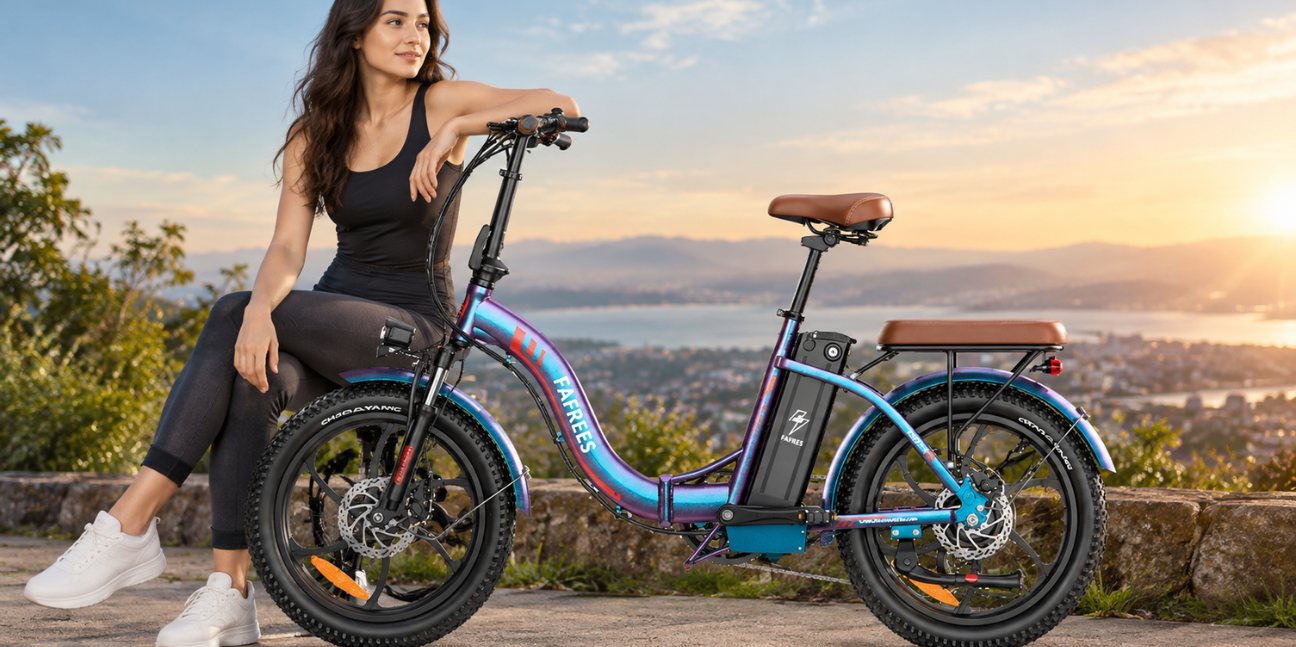
Modern transportation is changing as commuters look for practical ways to move through busy cities without relying entirely on cars or public transportation. Rising travel costs, crowded roads, limited parking, and growing interest in more flexible transportation have encouraged many riders to consider electric bikes as an alternative. Among the different types available, folding electric bikes stand out because they combine electric assistance with a compact and adaptable design.
Modern transportation is changing as commuters look for practical ways to move through busy cities without relying entirely on cars or public transportation. Rising travel costs, crowded roads, limited parking, and growing interest in more flexible transportation have encouraged many riders to consider electric bikes as an alternative. Among the different types available, folding electric bikes stand out because they combine electric assistance with a compact and adaptable design.
A folding electric bike can provide the riding experience of an e-bike while offering an additional advantage that traditional bicycles cannot always provide: convenient storage and transportation. The ability to fold the frame, handlebars, or pedals can make a significant difference for commuters living in apartments, working in offices with limited bicycle storage, or combining cycling with trains, buses, and car travel.
The growing interest in this category is also reflected in the development of versatile models such as the FAFREES F20 Pro, F20 Mate, and F20 Mate Upgrade. These bikes demonstrate how folding designs can accommodate different transportation needs, from everyday urban commuting to carrying cargo and seeking additional stability.
What Is a Folding Electric Bike?
A folding electric bike is an electrically assisted bicycle designed with hinges or folding mechanisms that allow part of the frame or other components to collapse into a more compact shape. Depending on the design, the frame, handlebars, pedals, or other components may fold.
The electric component typically includes a motor, rechargeable battery, controller, and display. When pedal assistance is activated, the motor helps reduce the physical effort required to accelerate, climb inclines, or maintain speed.
The combination of these two characteristics creates a transportation option that is both powered and portable. Instead of choosing between a conventional bicycle that is easy to ride but potentially difficult to transport, or a larger electric bike that may require substantial storage space, a folding e-bike attempts to address both requirements.
This makes the category particularly relevant to modern urban lifestyles where space and flexibility are often just as important as riding performance.
Why Folding Electric Bikes Are Becoming More Popular
Several changes in everyday transportation have contributed to the growing appeal of folding electric bikes. Cities are becoming increasingly crowded, while many commuters are searching for alternatives to short car journeys. At the same time, remote and hybrid work arrangements have changed commuting patterns, making flexibility more valuable.
A folding e-bike can serve multiple purposes rather than being limited to one type of journey. It can be used for commuting to work, traveling to local shops, reaching a train station, or enjoying recreational rides on weekends.
The folding mechanism also makes the bike easier to integrate into different environments. A rider may cycle part of a journey and then use another form of transportation for the remainder. Once folded, the bike can occupy considerably less space than a conventional full-size bicycle.
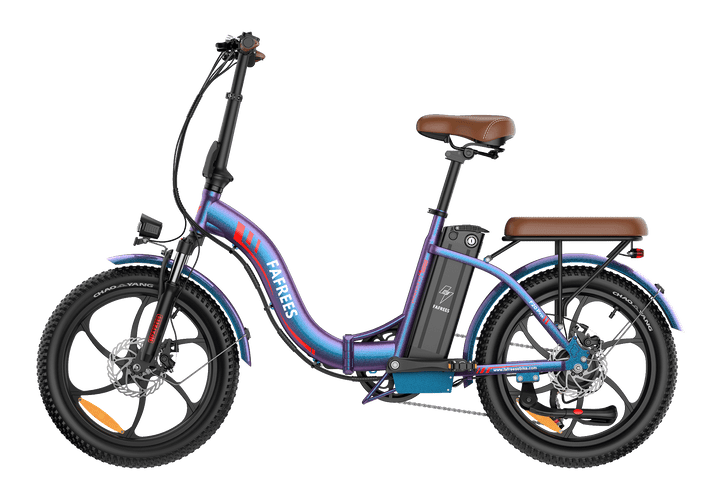
FAFREES offers several examples within this category, including the F20 Pro and F20 Mate models. The F20 Pro is designed around a foldable step-through frame, while the F20 Mate combines folding functionality with a three-wheel configuration intended to provide additional stability.
Space-Saving Design for Urban Living
One of the biggest advantages of a folding electric bike is its storage flexibility. Conventional bicycles can require a dedicated bicycle rack, garage space, or outdoor storage area. For people living in apartments or smaller homes, finding such space can be difficult.
A folding model can help solve this issue by reducing the bicycle's footprint when it is not being ridden. The FAFREES F20 Pro, for example, has a listed folded size of approximately 88 × 38 × 70 cm, with folding points at the handlebars, frame, and pedals.
This type of design can be useful for commuters who need to store a bike beneath a desk, inside a suitable storage area, or in another compact location. It can also make transportation in a vehicle more convenient, although the available vehicle space and local transport policies should always be considered.
For urban residents, storage can be a major factor when choosing a bicycle. A bike that cannot be stored conveniently may spend more time unused. A folding design can make regular use more practical.
A Practical Option for Daily Commuting
Commuting often involves more than simply traveling from one point to another. A typical journey can include busy streets, traffic lights, parking challenges, hills, rough pavement, and changing weather conditions.
Electric assistance can make cycling more approachable for these everyday situations. Instead of arriving at work after a physically demanding ride, pedal assistance can help reduce the effort required during the journey.
The FAFREES F20 Pro illustrates this approach with a rear-drive 250W motor, a removable battery, front suspension, seven-speed drivetrain, and 20 × 3.0-inch tires. Its specifications list a maximum assisted speed of 25 km/h and a range of 70–90 km depending on configuration and riding conditions.
Such specifications can make a folding e-bike suitable for a variety of daily journeys, although real-world range varies according to rider weight, terrain, temperature, speed, assist level, tire pressure, and other factors.
Easier Integration With Multimodal Transportation
Modern commuting does not always involve one mode of transportation. A journey may include cycling to a railway station, taking a train, and cycling again after reaching the destination.
This is where folding e-bikes can offer an advantage. A compact bicycle can be easier to integrate into a multimodal travel routine than a large conventional bicycle.
The folding mechanism can also be useful for car-based travel. A rider may drive to an area with limited parking near a destination and use the bike for the final portion of the journey. This approach can reduce the need to find parking directly outside a busy location.
However, public transportation rules vary significantly between cities and operators. Folding does not automatically mean that a particular bicycle is permitted on every bus or train, so local regulations should always be checked before travel.
Electric Assistance Can Make Longer Journeys More Accessible
Traditional cycling can be highly effective for short journeys, but longer distances may become physically demanding for some riders. Electric assistance helps address this issue by adding motor support while retaining the basic riding characteristics of a bicycle.
This can encourage more frequent cycling among people who might otherwise choose a car for moderate-distance journeys.
The F20 Pro, for example, is available with battery configurations that FAFREES lists at up to 20Ah, while the manufacturer's specifications indicate a range of up to 90 km for certain configurations.
The F20 Mate takes a different approach. It uses a three-wheel design, 20 × 3.0-inch tires, a 48V battery configuration, and a listed range of 60–80 km. Its maximum load capacity is listed at 180 kg, making it particularly interesting for riders who prioritize stability and utility.
These differences demonstrate why choosing an e-bike should begin with the rider's intended use rather than focusing on a single specification.
Stability and Utility Can Be Just as Important as Portability
Not every rider has identical requirements. Some commuters prioritize a lightweight folding bike that can be transported easily. Others may need additional stability, cargo capacity, or a more substantial frame.
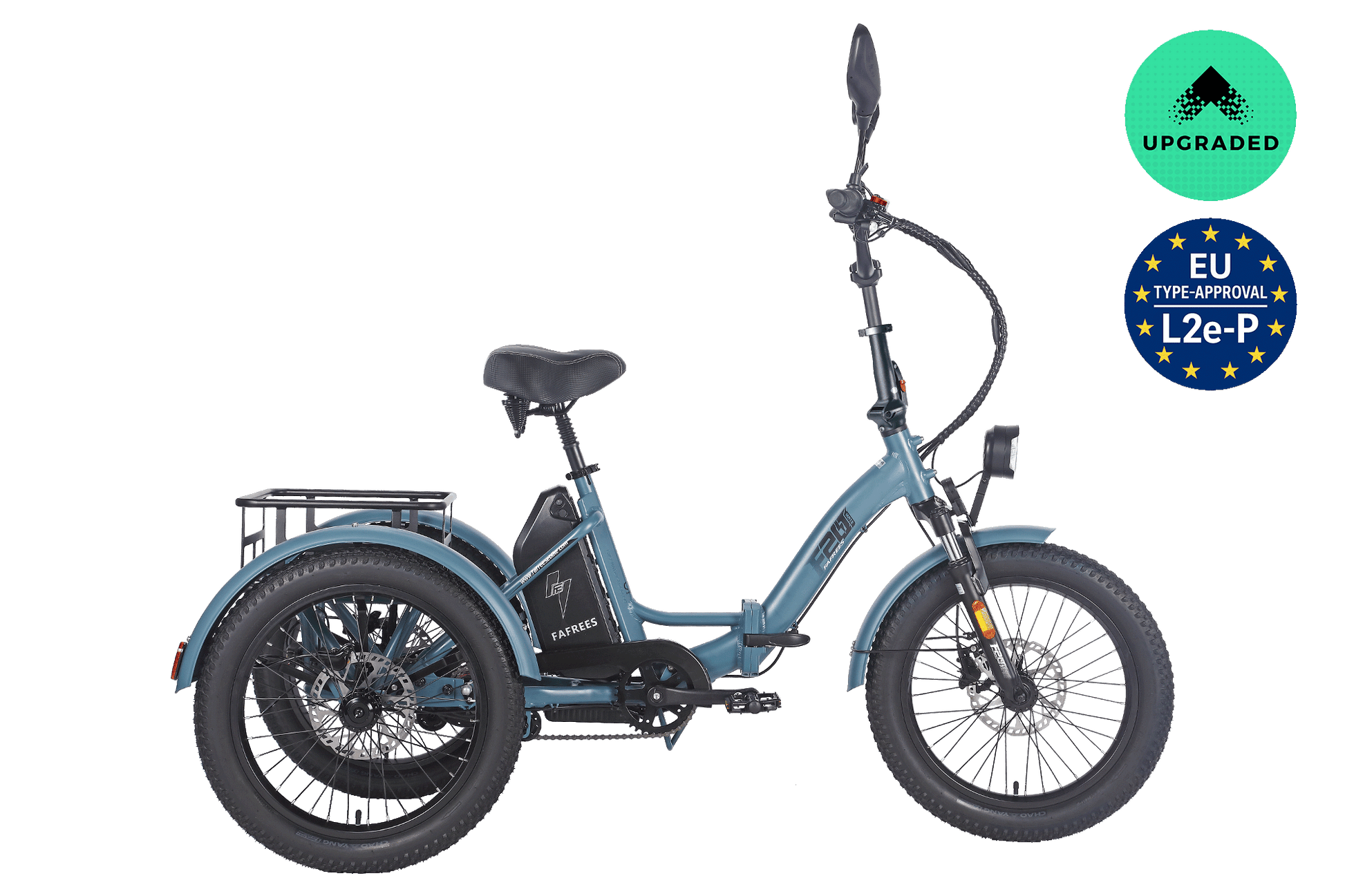
The FAFREES F20 Mate is designed around a three-wheel configuration. The manufacturer describes it as a trike intended for daily versatility, with a 180 kg weight capacity, rear rack, suspension fork, hydraulic disc brakes, and wide 20 × 3.0-inch tires.
The F20 Mate Upgrade takes the utility concept further with a listed 48V 500W sustained motor and 750W peak output, removable 21Ah or 23.45Ah batteries, and a stated range of 65–85 km or 70–90 km depending on battery configuration. It also retains a foldable frame and handlebar design.
This makes the model relevant to riders looking beyond basic commuting. Cargo, shopping, local errands, and recreational trips can all influence the type of electric bike that makes sense.
Fat Tires Add Versatility
Tire design can significantly influence how an electric bike feels on different surfaces. Narrower tires can work well on smooth pavement, while wider tires can provide additional cushioning and grip.
The FAFREES F20 Pro uses 20 × 3.0-inch tires, while the F20 Mate and F20 Mate Upgrade also use 20 × 3.0-inch fat tires.
Wider tires can be useful when riding over imperfect city streets, gravel paths, or other surfaces where additional tire volume can improve comfort. However, tire pressure should still be maintained according to the manufacturer's recommendations because pressure affects handling, rolling resistance, and comfort.
This versatility makes fat-tire folding e-bikes appealing to riders who do not want their bicycle limited exclusively to perfectly paved roads.
Comfort Matters for Everyday Riding
A bicycle intended for regular commuting needs to be comfortable enough for repeated use. Frame geometry, saddle design, suspension, handlebar position, tire width, and riding posture can all influence comfort.
The F20 Pro includes a front suspension fork with 70 mm of travel, while its step-through frame is designed to make mounting easier. The model also includes a foldable saddle and adjustable riding components.
The F20 Mate similarly uses a suspension fork and suspension seatpost, helping address vibration from uneven surfaces.
Comfort is especially important for commuters because a bicycle may be ridden several times per week. A comfortable setup can encourage consistent use and make cycling feel less like an occasional activity and more like a practical part of everyday transportation.
Battery Convenience and Charging
Battery capacity is another important consideration when selecting an electric bike. A larger battery can potentially support longer journeys, but the actual range depends on many variables.
Removable batteries can offer another practical advantage because the battery can be taken indoors for charging rather than requiring the entire bike to be positioned next to a wall outlet.
The F20 Pro uses a removable 36V battery, with configurations including 18Ah and 20Ah options. The F20 Mate uses a removable 48V battery in 18.2Ah and 20Ah configurations, while the F20 Mate Upgrade offers 21Ah and 23.45Ah options.
For commuters, battery management is still important. Charging habits, route planning, temperature, terrain, and assist settings can all influence how frequently charging is required.
Folding E-Bikes Can Support a More Flexible Lifestyle
A major reason folding electric bikes are gaining attention is that they can adapt to different lifestyles. A bicycle does not have to be used exclusively for commuting.
During the week, an e-bike can provide transportation to work. On weekends, it can become a way to explore local paths, visit parks, or complete errands.
The F20 Pro's seven-speed drivetrain and suspension system give it flexibility across different riding conditions, while its folding frame makes it easier to store between trips.
For riders who need greater stability and carrying capability, the F20 Mate provides a different interpretation of versatility through its three-wheel platform and rear rack.
The F20 Mate Upgrade adds higher battery capacity and a more powerful motor configuration, making it another option for riders whose priorities include utility and longer-distance riding.
A Potential Alternative to Short Car Journeys
Cars remain essential for many journeys, but not every trip requires a vehicle. Short trips to nearby shops, offices, cafés, parks, or local services can sometimes be completed by bicycle.
Replacing selected short car journeys with an electric bike can reduce fuel consumption and eliminate some parking concerns. FAFREES has highlighted the environmental potential of e-bikes as a way to replace certain car journeys, particularly when riders choose models capable of handling longer distances.
The practical benefit is not simply environmental. A bicycle can also allow riders to avoid searching for parking and navigate areas where automobile traffic is slow.
The key is choosing an e-bike that fits the journey. A lightweight commuter-oriented model may be ideal for one rider, while a utility-focused trike may be more suitable for another.
What to Consider Before Buying a Folding Electric Bike
Although folding e-bikes offer several advantages, selecting the right model requires careful consideration. Folding convenience alone should not determine the purchase.
Intended Riding Distance
Daily distance should influence battery selection. Longer commutes may benefit from a larger battery, while shorter trips may not require maximum capacity.
Storage Requirements
The folded dimensions should be compared with the intended storage location. A bicycle that technically folds may still be too large for a particular closet, vehicle, or workspace.
Rider Fit
Seat height, handlebar height, frame geometry, and weight capacity should be checked before purchase. FAFREES lists different rider-height and load specifications for its models, so these details should be matched with individual requirements.
Terrain
Riders who regularly encounter uneven roads, gravel, or other challenging surfaces may benefit from suspension and wider tires.
Local Regulations
E-bike regulations differ by country, state, and city. Speed limits, motor ratings, registration requirements, helmet rules, and where electric bikes may be ridden should be confirmed with local authorities.
Why the FAFREES F20 Range Illustrates the Trend
The F20 range demonstrates how folding electric bikes can serve different transportation priorities without abandoning the central benefits of compact design.
The F20 Pro focuses on everyday riding with a step-through folding frame, fat tires, removable battery, front suspension, seven-speed drivetrain, and a listed 25 km/h maximum speed.
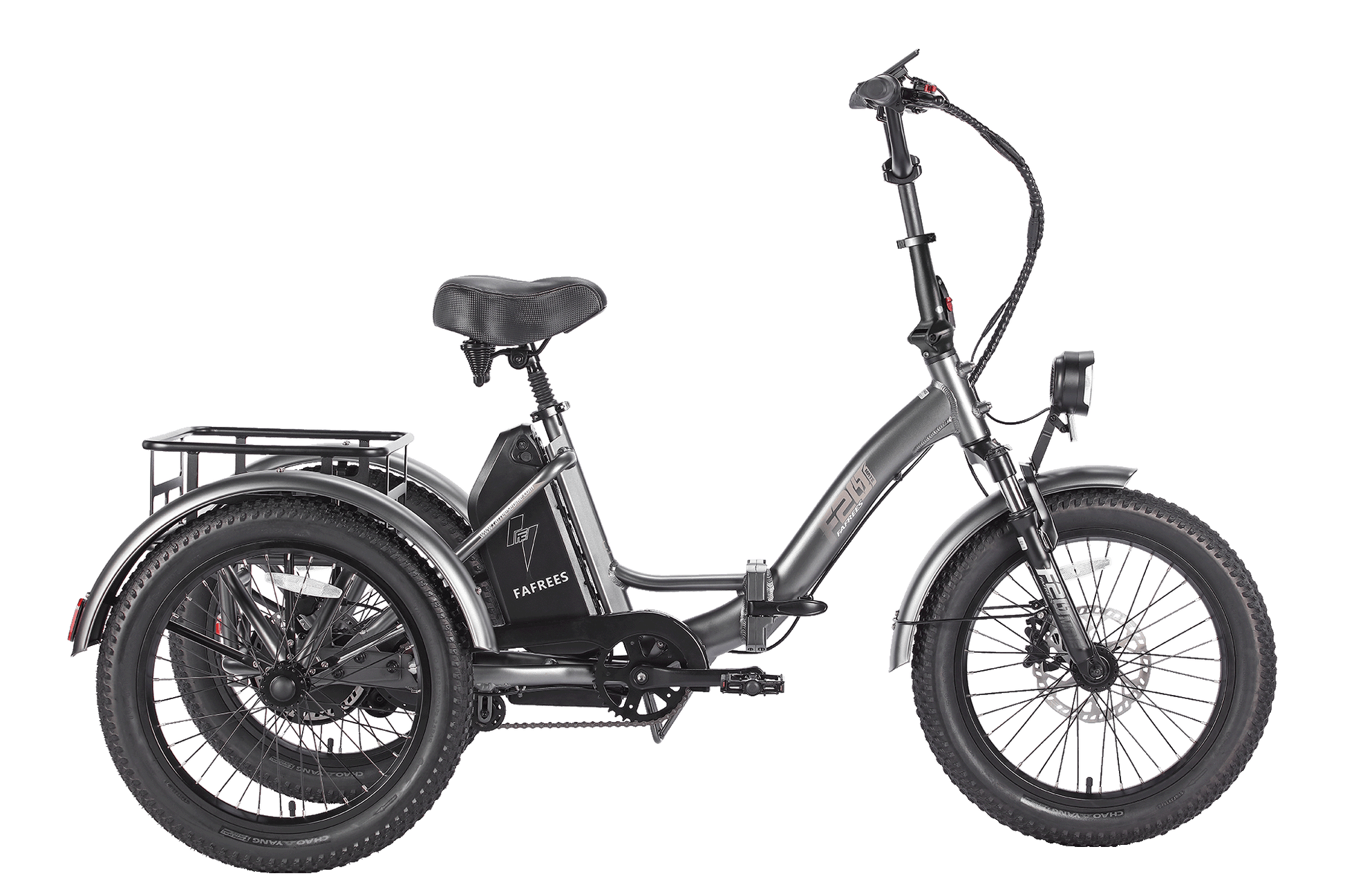
The F20 Mate takes a utility-oriented approach with three-wheel stability, a rear rack, wide tires, suspension, and a higher load capacity.
The F20 Mate Upgrade offers another step toward long-distance and utility-focused riding, with larger battery options, a 500W sustained motor, up to 750W peak output, and a listed maximum load of 180 kg.
Together, these models show that the folding e-bike category is no longer limited to compact bicycles designed only for occasional recreational use. Modern designs can address commuting, storage, comfort, utility, and everyday transportation in different ways.
Maintenance Still Matters
An electric bike can be convenient, but regular maintenance remains important. Tire pressure should be checked frequently, brakes should be inspected, and the drivetrain should be kept clean and properly maintained.
Battery care also deserves attention. Following the manufacturer's charging and storage recommendations can help maintain battery performance over time.
Folding mechanisms should also be inspected periodically. Hinges, clamps, and locking mechanisms should remain clean and secure. Any unusual movement, noise, or looseness should be addressed before continued riding.
Regular maintenance can help protect the investment and support reliable transportation throughout the year.
The Future of Everyday Urban Mobility
The appeal of folding electric bikes reflects a broader shift toward flexible transportation. Modern commuters increasingly value convenience, efficiency, and adaptability rather than relying on a single form of transportation for every situation.
A folding e-bike can occupy a useful middle ground. It provides electric assistance without requiring a car, while its compact design can make storage and transportation easier than with many conventional bicycles.
Models such as the FAFREES F20 Pro, F20 Mate, and F20 Mate Upgrade show how manufacturers are adapting the category to different needs. From a relatively lightweight folding commuter to a utility-focused three-wheel design, the available options demonstrate that there is no single definition of the ideal e-bike.
Conclusion
Folding electric bikes are becoming a smart choice for modern commuters because they combine several qualities that fit contemporary lifestyles: electric assistance, portability, flexible storage, and everyday practicality. They can help make commuting more manageable while offering opportunities for recreation, errands, and short-distance transportation.
The right model ultimately depends on individual priorities. The F20 Pro can appeal to riders seeking a foldable step-through e-bike with fat tires, suspension, multiple gears, and a removable battery. The F20 Mate offers additional stability and utility through its three-wheel configuration, while the F20 Mate Upgrade combines folding convenience with larger battery options and a more powerful motor setup.
For urban riders looking to reduce dependence on cars, simplify storage, or make cycling a more practical part of everyday life, a folding electric bike can be a compelling transportation option. As cities and commuting habits continue to evolve, the combination of compact design and electric assistance is likely to remain an important part of modern mobility.