Why Routine Veterinary Visits Can Add Years to Your Pet's Life

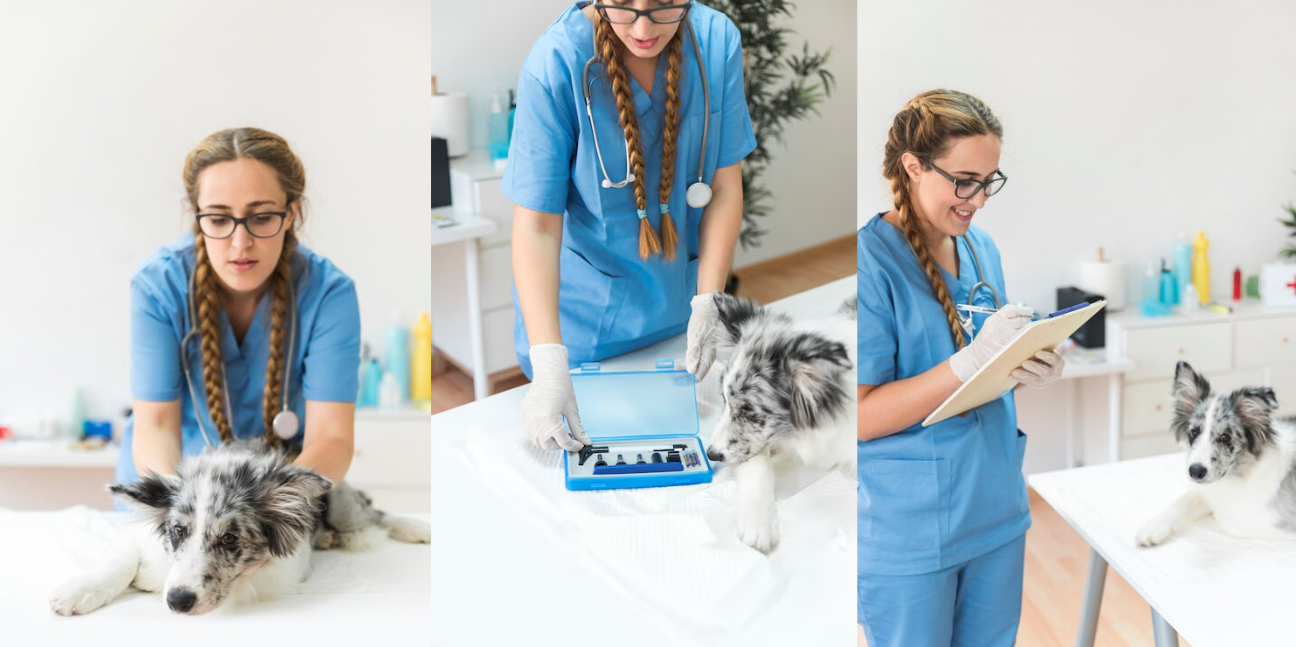
Many pet owners associate veterinary visits with illness or emergencies. When a pet appears healthy, it can be tempting to postpone routine
Many pet owners associate veterinary visits with illness or emergencies. When a pet appears healthy, it can be tempting to postpone routine checkups, especially if there are no obvious signs of a problem. However, preventive veterinary care is one of the most powerful tools available for improving a pet's quality of life and potentially extending their lifespan.
Animals are remarkably skilled at hiding pain and illness. By the time symptoms become noticeable, a disease may already be advanced. Routine veterinary visits help identify health concerns before they become serious, allowing for earlier treatment and better outcomes.
Regular wellness exams do far more than update vaccinations. They provide opportunities to monitor overall health, detect hidden conditions, manage weight, support nutrition, and create a long-term healthcare plan tailored to your pet's needs.
This guide explores why routine veterinary visits matter and how they can contribute to a longer, healthier life for your pet.
The Importance of Preventive Veterinary Care
Preventive care focuses on maintaining health rather than simply treating disease after it develops.
The goal is to:
- Detect problems early
- Reduce disease risk
- Improve quality of life
- Support healthy aging
- Minimize long-term healthcare costs
Just as people benefit from regular medical checkups, pets benefit from ongoing health monitoring throughout every stage of life.
Why Pets Need Regular Checkups Even When They Seem Healthy
One of the biggest misconceptions among pet owners is that healthy-looking pets do not require veterinary visits.
In reality, many medical conditions develop gradually and silently.
Examples include:
- Kidney disease
- Heart disease
- Arthritis
- Dental disease
- Diabetes
- Thyroid disorders
- Cancer
Pets often continue acting relatively normal until these conditions become more advanced.
Routine examinations help identify subtle warning signs long before major symptoms appear.
Early Disease Detection Saves Lives
One of the greatest advantages of regular veterinary care is early diagnosis.
Why Early Detection Matters
Many diseases become easier to manage when identified in their initial stages.
Early intervention may:
- Improve treatment success
- Reduce complications
- Lower treatment costs
- Improve comfort
- Extend lifespan
For many conditions, timing significantly influences outcomes.
Common Conditions Detected Early During Wellness Exams
Veterinarians frequently identify issues such as:
- Heart murmurs
- Dental disease
- Obesity
- Skin conditions
- Joint problems
- Internal organ abnormalities
- Vision changes
- Hearing loss
Without routine exams, these issues may remain unnoticed for months or even years.
Physical Examinations Reveal Hidden Problems
A comprehensive wellness exam evaluates numerous aspects of health.
Your veterinarian may assess:
- Weight
- Body condition
- Eyes
- Ears
- Teeth
- Skin
- Coat quality
- Heart function
- Lung function
- Joint mobility
- Muscle condition
- Abdominal health
Even subtle changes can provide valuable clues regarding underlying health concerns.
Weight Management and Longevity
Maintaining a healthy weight is one of the most effective ways to support longevity.
Unfortunately, obesity remains one of the most common health problems affecting pets.
Health Risks Associated With Obesity
Excess weight increases the risk of:
- Diabetes
- Arthritis
- Heart disease
- Respiratory issues
- Reduced mobility
- Shortened lifespan
Veterinarians can help identify unhealthy weight trends before they become severe.
Creating a Healthy Weight Plan
Routine visits provide opportunities to discuss:
- Portion control
- Calorie intake
- Exercise routines
- Nutritional adjustments
Small changes made early can have significant long-term benefits.
Vaccinations Protect Against Serious Diseases
Vaccinations remain one of the most important preventive healthcare tools.
They help protect pets from potentially life-threatening illnesses.
Benefits of Vaccination
Vaccines help:
- Prevent disease
- Reduce disease severity
- Protect vulnerable populations
- Support community health
Routine visits ensure vaccination schedules remain current and appropriate for your pet's lifestyle.
Parasite Prevention and Monitoring
Parasites can affect pets year-round.
Common threats include:
- Fleas
- Ticks
- Heartworms
- Intestinal parasites
Some parasites can cause serious illness while others may affect both pets and humans.
The Importance of Prevention
Routine veterinary care helps ensure that parasite prevention strategies remain effective.
Veterinarians may recommend:
- Preventive medications
- Fecal testing
- Tick prevention programs
- Heartworm screening
Preventing infestations is often far easier than treating them.
Dental Health: The Overlooked Lifespan Factor
Dental disease affects a large percentage of pets by middle age.
Unfortunately, many owners underestimate its impact.
Why Oral Health Matters
Untreated dental disease may contribute to:
- Chronic pain
- Tooth loss
- Difficulty eating
- Systemic inflammation
Bacteria associated with severe dental disease may affect:
- Heart health
- Kidney function
- Liver function
Routine veterinary visits help identify dental problems before they become severe.
Blood Testing Provides Valuable Insights
Routine bloodwork often reveals hidden health concerns.
Laboratory testing can evaluate:
- Kidney function
- Liver function
- Blood sugar levels
- Red blood cells
- White blood cells
- Electrolyte balance
Many diseases produce detectable changes before visible symptoms appear.
Senior Pet Bloodwork
As pets age, routine laboratory screening becomes increasingly valuable.
Early detection often allows for more effective management of age-related conditions.
Monitoring Age-Related Changes
Pets age more rapidly than humans.
A dog or cat may experience significant physiological changes within a relatively short period.
Routine exams help monitor:
- Mobility
- Cognitive function
- Vision
- Hearing
- Organ health
Tracking these changes over time allows veterinarians to make proactive recommendations.
Arthritis Detection and Management
Many pets develop arthritis as they age.
Signs may include:
- Slower movement
- Difficulty standing
- Reduced activity
- Stiffness
Because symptoms often develop gradually, owners may not notice them immediately.
Veterinarians frequently identify early signs during routine exams.
Early intervention can significantly improve comfort and mobility.
Nutritional Guidance Throughout Life
Nutritional needs change over time.
Routine visits provide opportunities to discuss:
- Life-stage nutrition
- Weight management
- Food sensitivities
- Special dietary requirements
Proper nutrition supports overall health and longevity.
Behavioral Health Evaluations
Behavioral changes often provide important clues about health and well-being.
Routine discussions with your veterinarian may help identify concerns related to:
- Anxiety
- Aggression
- Cognitive decline
- Stress
- Environmental adjustments
Behavioral health is an important component of overall wellness.
Senior Pets Need More Frequent Monitoring
As pets enter their senior years, health risks often increase.
Common age-related conditions include:
- Kidney disease
- Heart disease
- Arthritis
- Cognitive dysfunction
- Cancer
More frequent examinations improve the likelihood of early detection.
Why Senior Wellness Matters
Early management often helps maintain:
- Comfort
- Mobility
- Independence
- Quality of life
Many senior pets remain active and happy for years with appropriate care.
Detecting Cancer Earlier
Cancer becomes more common as pets age.
Routine examinations may identify:
- Unusual lumps
- Enlarged lymph nodes
- Weight loss
- Internal abnormalities
Early diagnosis often improves treatment options and outcomes.
While not all cancers are preventable, early detection can be lifesaving.
Building a Health History
Routine veterinary visits create a comprehensive medical record.
This history allows veterinarians to identify:
- Trends
- Changes
- Emerging concerns
Comparing current findings to previous visits often reveals subtle shifts that might otherwise go unnoticed.
Emergency Prevention Through Wellness Care
Many emergencies develop from conditions that could have been identified earlier.
Examples include:
- Advanced dental disease
- Severe obesity
- Untreated diabetes
- Progressive heart disease
Preventive care often reduces the likelihood of serious emergencies.
Strengthening the Veterinarian-Pet Relationship
Pets become more comfortable with veterinary visits when they occur regularly.
Benefits include:
- Reduced fear
- Easier examinations
- Better cooperation
- Less stress during future visits
Positive experiences contribute to more effective healthcare.
The Financial Benefits of Preventive Care
Some owners avoid wellness visits due to cost concerns.
However, preventive care often reduces long-term expenses.
Why Prevention Is Often More Affordable
Treating advanced disease frequently costs significantly more than early intervention.
Preventive care may help avoid:
- Emergency surgeries
- Hospitalizations
- Intensive treatments
Investing in wellness care often provides financial benefits over time.
Recommended Veterinary Visit Frequency
Visit schedules vary based on age and health status.
Puppies and Kittens
Young pets often require multiple visits during their first year.
Healthy Adults
Most adult pets benefit from annual wellness exams.
Senior Pets
Senior pets may require examinations every six months or as recommended by their veterinarian.
Individual needs may vary.
Common Signs That Should Never Wait for the Next Checkup
Seek veterinary attention promptly if you notice:
- Difficulty breathing
- Persistent vomiting
- Severe diarrhea
- Sudden weight loss
- Loss of appetite
- Collapse
- Significant behavioral changes
- Difficulty urinating
Routine care does not replace emergency treatment when needed.
Creating a Lifetime Wellness Plan
The most effective approach to veterinary care is proactive rather than reactive.
A lifetime wellness plan typically includes:
- Routine examinations
- Vaccinations
- Parasite prevention
- Dental care
- Bloodwork
- Nutritional guidance
- Weight management
- Behavioral support
Together, these components create a strong foundation for lifelong health.
The Human-Animal Bond and Longevity
Routine veterinary care supports more than physical health.
Healthy pets often enjoy:
- Greater comfort
- Increased activity
- Better emotional well-being
- Improved quality of life
These benefits strengthen the bond between pets and their families.
Every additional healthy year becomes another opportunity to create memories together.
Final Thoughts
Routine veterinary visits are one of the most important investments you can make in your pet's long-term health. While many illnesses remain hidden during their early stages, regular wellness exams provide opportunities for early detection, preventive care, nutritional guidance, weight management, dental health monitoring, and age-related support.
The goal of routine veterinary care is not simply to treat disease but to prevent problems before they become serious. By maintaining regular checkups throughout your pet's life, you improve the chances of catching health concerns early, supporting healthy aging, and maximizing both lifespan and quality of life. In many cases, those routine appointments can truly add years to your pet's life and help ensure those years are healthy, comfortable, and happy.